

Analysing innovations among cattle smallholders to evaluate the adequacy of breeding programs
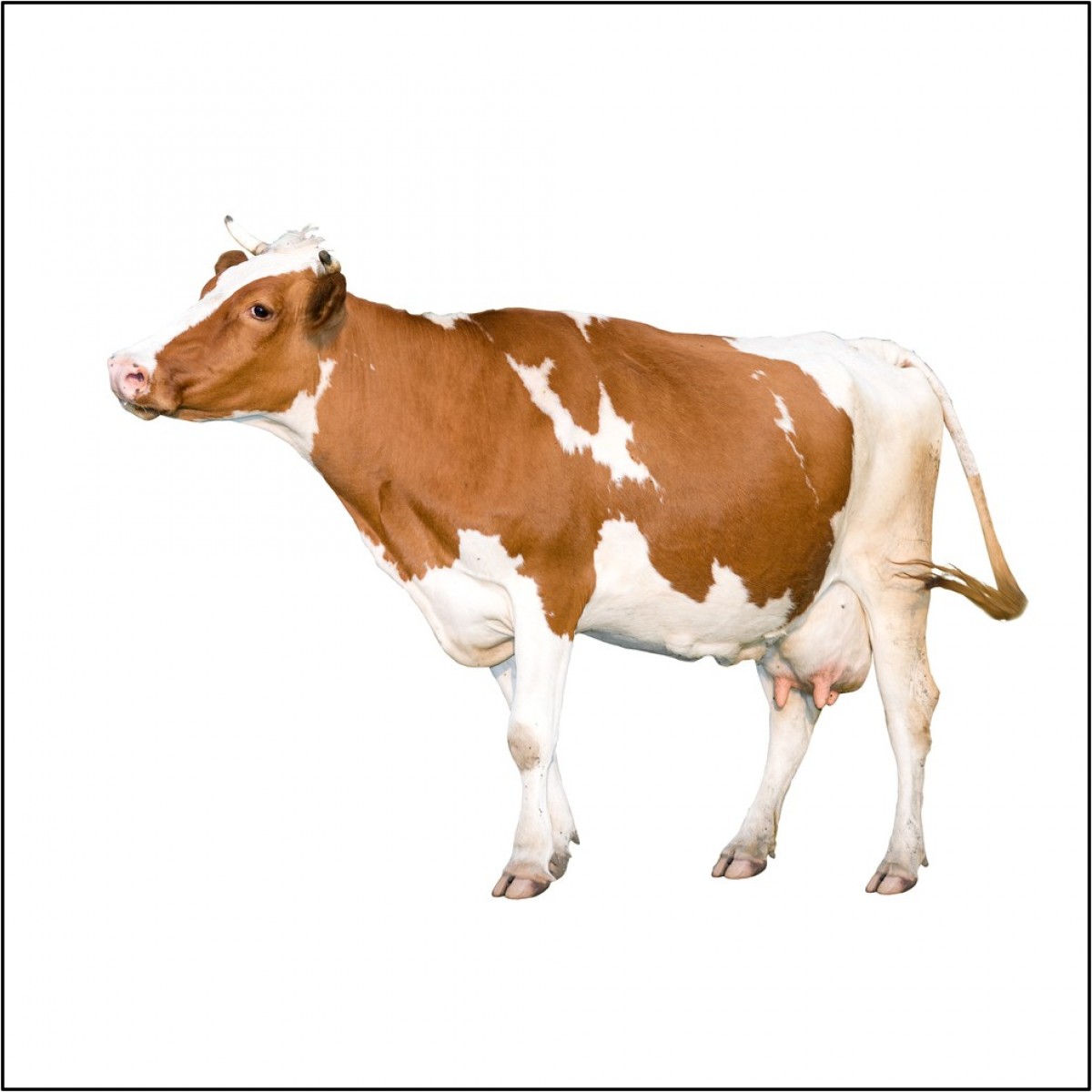
Many breeding programs have been implemented in developing countries, many of which have been unsuccessful. To better understand the failure of these breeding programs, it is proposed to analyze their adequacy with innovations that are actually adopted by smallholders. The proposed methodology takes account of these innovations, the reasons for their adoption and the objectives of livestock keeping. The N’Dama cattle-breeding program in Senegal was used as a case study. Surveys were carried out among 54 farmers: 27 breeders who participated in this program, 17 of whom recently resigned, and 27 breeders who have never participated.
Feeding was the most frequently cited area of innovation, followed by infrastructure. Genetics, animal health and reproduction held the third rank. Milk production appeared as an important objective of breeders, although the context remains one of strong multifunctionality. Principal component analysis highlighted three categories of breeders according to the innovations they adopted: institutional, modernizing, and integrating innovators.
The groups of institutional and modernizing innovators dominate, gathering each 41% of the farmers. In the first category, breeders have organized themselves in an association and use N’Dama sires, livestock aiming at an insurance objective. In the second category, artificial insemination with exotic breeds and other technical innovations (cowshed, vaccination, urea treatment of straw) are used to improve production of milk and meat.
The third group is termed ‘integrating innovators,’ since their innovations aim at integrating livestock and crop production. Gathering 18% of the sampled breeders, this group presents intermediate features between the two previous groups, using animals as draught power and for manure production. These results indicate that a process of intensification is at play and that the genetic improvement through the selection of N’Dama cattle for production criteria does not meet the breeders’ demand. However, the N’Dama’s adaptive traits justify its use as part of the breeding strategy of farmers, either in pure-breeding or in crossbreeding. The study thus tends to show the interactive link between genetic improvement and other innovations.
It suggests that the success of a breeding program depends on its adequate positioning within the set of innovations adopted by breeders and proposes a method to inform breeding programs accordingly.
Authors: Camara, N. Moula, F. Sow, M. M. Sissokho, N. Antoine-Moussiaux
Source: https://www.cambridge.org/
 Comments
Related Articles




More news




Copyright © 2026 - All Rights Reserved
ISSN 2768-198X
List
Add
Please enter a comment