MY ACCOUNT | NEWSLETTER |

Texas A&M study links cattle feed additive to heart damage in dogs

New university findings highlight potential implications for dogs, cardiology, and veterinary practice.
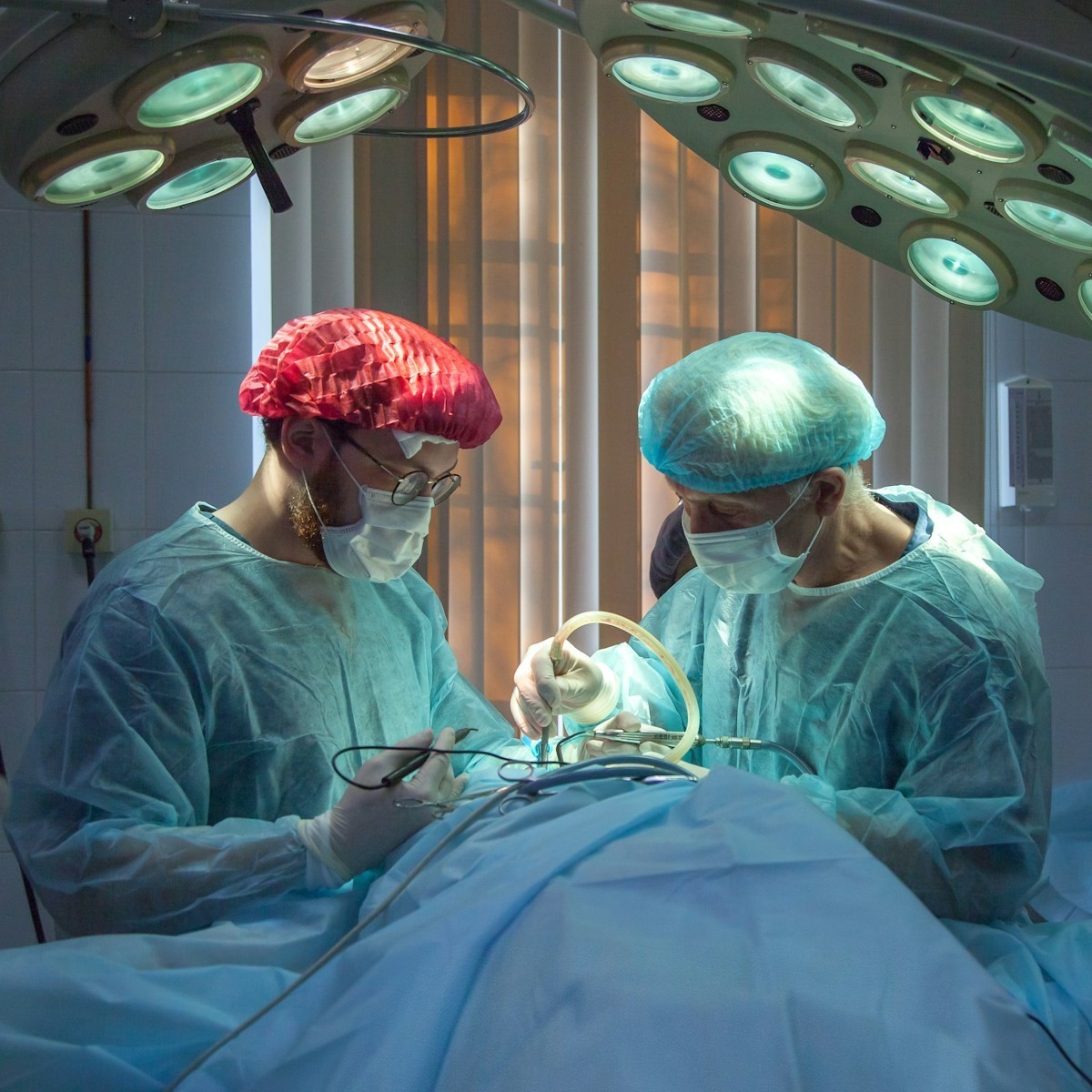

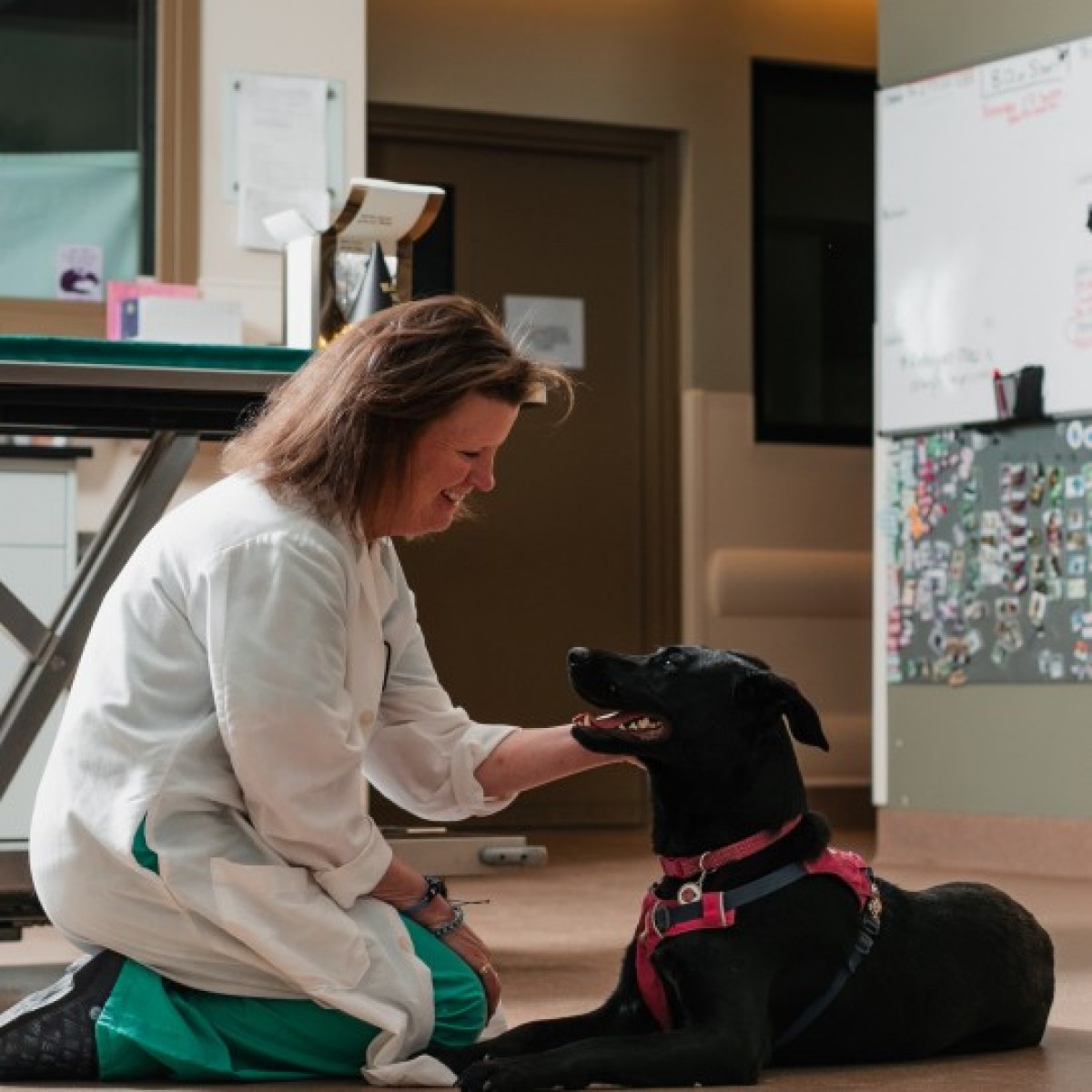
A livestock feed additive commonly used to promote growth in cattle, swine, and poultry may pose a serious risk to dogs, according to a new case report from researchers at the Texas A&M College of Veterinary Medicine & Biomedical Sciences (VMBS) .

The report , published in Veterinary Record Case Reports, describes two cases of dogs treated at the Texas A&M Small Animal Teaching Hospital that consumed ractopamine, an additive mixed into livestock feed to help animals such as cattle, pigs, and poultry grow lean muscle, which dogs may accidentally ingest if they have access to feed or storage areas.

While both dogs experienced similar clinical signs, their outcomes differed significantly, highlighting the importance of early recognition and treatment.

“This had not previously been described in the veterinary literature as a natural exposure in dogs,” said Dr.

Sonya Wesselowski , associate professor of cardiology in VMBS’ Department of Small Animal Clinical Sciences .

“Being able to document these cases helps raise awareness of what can happen and how serious it can be.” In one case, the dog’s owners quickly realized their dog had consumed the feed additive and induced vomiting shortly after ingestion.

The dog later required hospitalization for cardiac monitoring and supportive care but ultimately recovered and returned to a normal life.

In contrast, the second dog was found in critical condition after an unknown period of exposure on a rural property.

Without early treatment, the dog developed severe cardiac complications and died despite intensive treatment.

“Because this resulted from exposure to a common feed additive, one of the most important things, for us, is getting this information into the literature so it becomes something veterinarians can recognize and act on,” said Sophie Tippit, a VMBS Doctor of Veterinary Medicine (DVM) candidate.

For pet owners, especially those in agricultural settings, the findings highlight the importance of keeping livestock additives out of reach of dogs to limit the possibility of accidental ingestion.

The report adds to ongoing university-led research relevant to veterinary medicine, animal health, and clinical decision-making.

Source university website: Texas A&M VMBS — https://vetmed.tamu.edu/

Like0
Dislike0
  • Please enter a comment


Name *
Email address *
Comment *


* Required fields

Information on the processing of your personal data
We inform you that, in compliance with the provisions of current national and European regulations for the Protection of Personal Data and Services of the Information Society and Electronic Commerce, by sending us this form you are expressly giving your consent to Grupo Asís Biomedia , SL, (hereinafter, "ASIS GROUP") so that, as the person in charge, it may process your personal data in order to respond to your request for contact and information by electronic means.

Likewise, when you expressly consent, we will process your personal data to send you specialized information, newsletters, offers and exclusive promotions from GRUPO ASIS and related companies.

For the aforementioned purpose, GRUPO ASIS may transfer your data to other companies linked to GRUPO ASIS or to third party service providers for the management of electronic communications and other security services, even in cases where they are outside of the European Union, provided that they legally guarantee the adequate level of protection required by European regulations.

At any time you can withdraw the consent given and exercise the rights of access, rectification, deletion, portability of your data and limitation or opposition to its treatment by contacting GRUPO ASIS by sending an email to protecciondatos @ grupoasis.com, or by written communication to address at Centro Empresarial El Trovador, 8th floor, office I, Plaza Antonio Beltrán Martínez 1, 50002, Zaragoza (Spain), indicating in either case the Ref. Personal data and the right you exercise, as well as attaching a copy of your ID or replacement identification document.


I have read and accept the treatment of my data according to the informed purpose and according Legal notes and the Privacy Policy
I wish to receive commercial information from GRUPO ASIS and related companies


More news

May 12, 2026 Inaugural Cat Camp Research Grants go to Four Feline-Focused Participants

Like0
Dislike0

Research • Veterinary Biosciences • Veterinary Preventive Medicine Study of influenza D in human cells, tissue h...

Like0
Dislike0

Undergrad researchers drive discovery in the College of Veterinary Medicine

Like0
Dislike1

Phibro Animal Health Corporation Launches Companywide Sustainable Solutions Platform; Introduces VERRATAIN™ Verified Sustainability Solutions Through Strategic VAXA Technologies Partnership

Like0
Dislike1

Velagliflozin, a once-daily, liquid, oral SGLT2 inhibitor, is effective as a stand-alone therapy for feline diabetes mellitus: the SENSATION study

Like0
Dislike1

Newsletter


News of interest

EVENTS

Copyright © 2026 - All Rights Reserved
ISSN 2768-198X

Top