

Traditional Sampling Methods May Miss Harmful Salmonella Strains
Research work highlights the importance of antimicrobial resistance surveillance in diverse populations of bacteria.
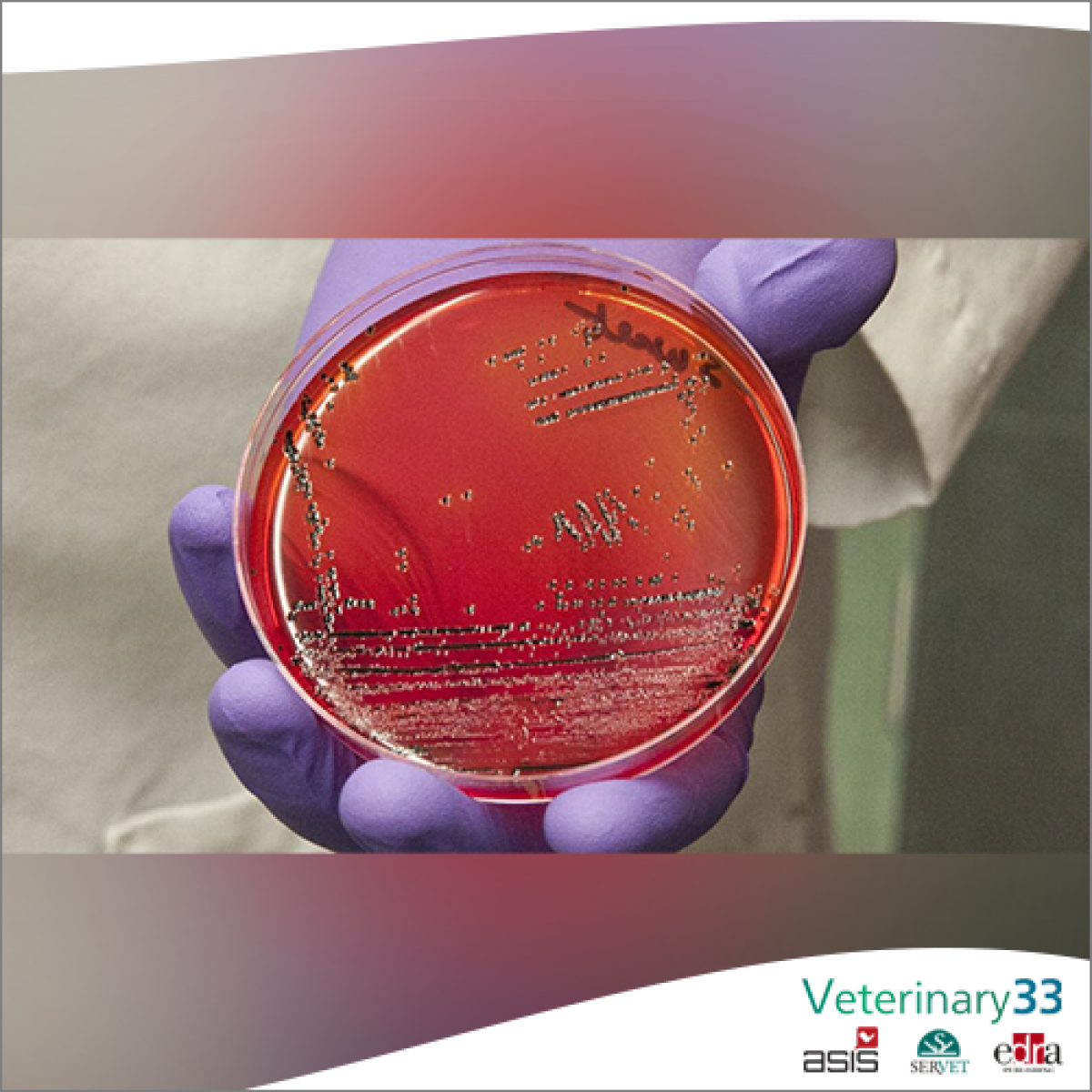
One study has concluded that 60% of cattle fecal samples contained multiple strains of salmonella that traditional testing methods had missed. The study also showed that about one in 10 samples tested positive for Salmonella Reading, a drug-resistant Salmonella serotype. The study highlights the importance of antimicrobial resistance (AMR) surveillance in diverse populations of bacteria.
The CRISPR-SeroSeq technology developed by the lead researcher, Nikki Shariat, assistant professor at the University of Georgia College of Veterinary Medicine, allows all types of Salmonella present in a given sample to be analyzed. Previously used methods only examined one or two colonies of bacteria, leaving the possibility of missing other strains.
This technology identifies molecular signatures in Salmonella DNA in a specialized part called CRISPR regions. This also helps researchers identify which strains of bacteria are most abundant.
Various antimicrobial resistance profiles
According to the study, enteric salmonella can exist in food animals as multiserver populations (multiple groups of closely related microorganisms), and different serovars can harbor diverse AMR profiles. Conventional isolation of Salmonella assesses AMR only in the most abundant members of a multiserver population, which typically reflects their relative abundance in the initial sample. The RAM in the underlying serovars is an undetected reservoir that can be easily expanded with the use of antimicrobials, according to the study.
In the investigation, the CRISPR-SeroSeq profile showed that 60 percent of the cattle fecal samples contained multiple serovars, including low Salmonella readings in 11 percent of the samples, which were not found by isolation tests of Culture-based Salmonella. The study findings have implications for the treatment of sick food animals and people who become infected by eating contaminated meat.
The number of resistant bacteria has been underestimated
"This suggests that traditional tests have underestimated the number of antibiotic-resistant bacteria in the past," Shariat said. “We need to know the antimicrobial resistance profiles of the bacteria that are present in animals. That knowledge could make us change our choice of the type of antibiotic we use to treat sick animals. It can also help us select the best antibiotic for people who get sick from eating contaminated meat. "
 Comments
Related Articles








Copyright © 2026 - All Rights Reserved
ISSN 2768-198X
List
Add
Please enter a comment