

Making Cancer Visible
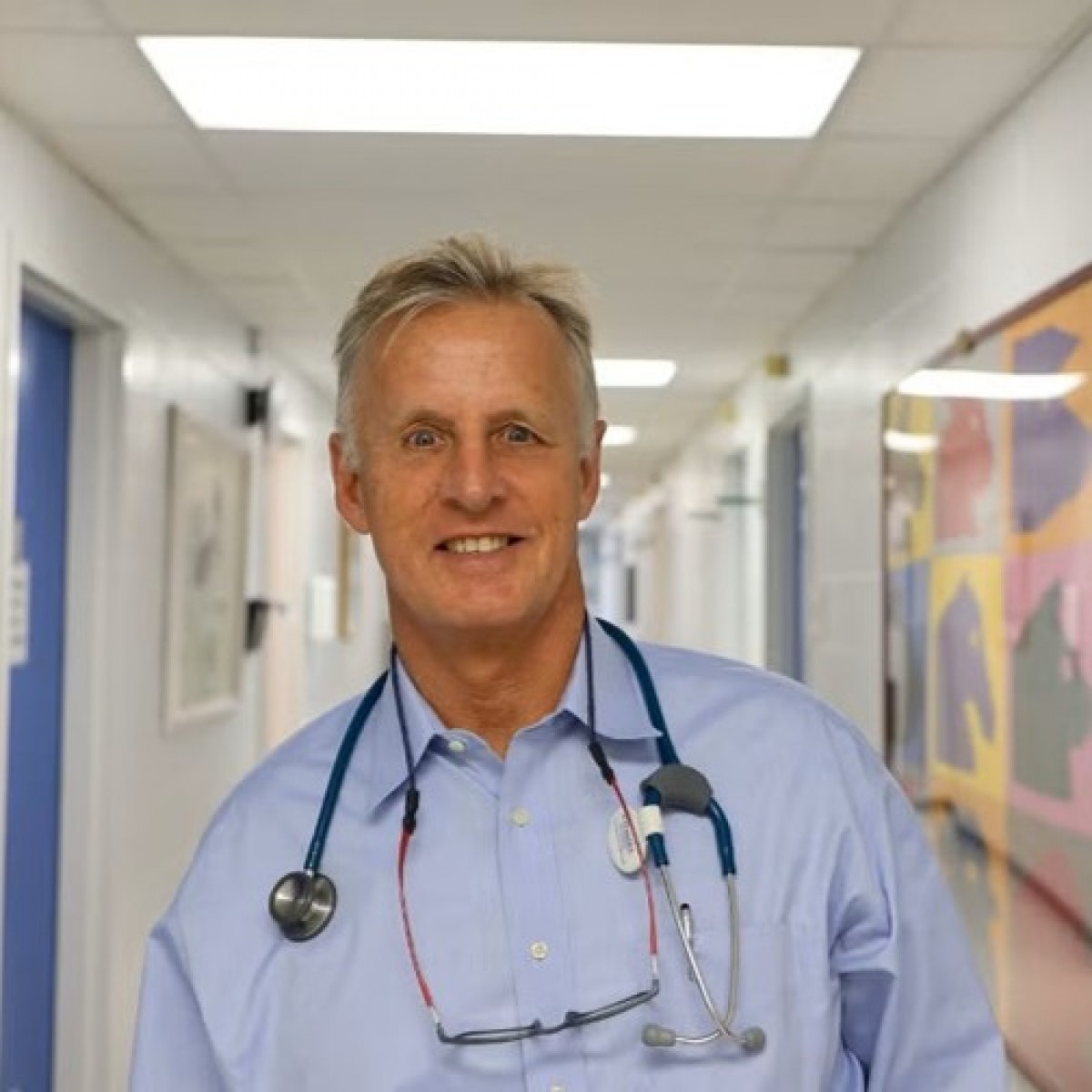
Behind the Breakthroughs is a Q&A series that shines a light on the people and ideas driving discoveries across Penn Vet.
In this edition, we sit down with small animal Professor of Surgery, David Holt, BVSc, DACVS. Dr. Holt is redefining how cancer is seen and removed during surgery. A Diplomate of the American College of Veterinary Surgeons and member of the Penn Vet Cancer Center, Holt pioneered the use of near-infrared fluorescence imaging to illuminate cancerous tissue in dogs undergoing cancer surgeries, helping surgeons achieve cleaner margins while preserving healthy tissue. These techniques have been translated into human cancer surgery and will soon be featured in the national science exhibition, The Journey to End Cancer: From Cause to Cure, underscoring its far-reaching impact. A longtime faculty advisor for the annual Martin Luther King, Jr., Day of Service student-run community clinic, Holt’s work reflects a career grounded in innovation, mentorship, and service, with implications that reach well beyond veterinary medicine.
How does your experience as a veterinary surgeon affect the way you evaluate new technologies or surgical techniques?
I evaluate new technologies by asking, “How is this going to improve my ability to diagnose and treat my patients’ diseases?”
“Having trained when CAT scans, MRIs, and minimally invasive surgery were not available, I am amazed at the impact these technologies have made on clinical veterinary practice. New surgical techniques can provide treatment alternatives for challenging conditions, but they must be evaluated for effectiveness with large clinical trials.”
What is the flagship project you are working on right now, and how could it advance surgical decision-making or patient outcomes?
Together with the Penn Center for Precision Surgery, we are advancing intraoperative near-infrared imaging for cancer. To treat cancer effectively with surgery, all the tumor and a margin of normal tissue must be removed. Making the tumor “glow” during surgery clearly outlines the margins that need to be removed, decreasing the likelihood of local recurrence and subsequent metastases.
What is the one thing you wish more people understood about the field of veterinary surgery?
Pet ownership is a responsibility, and people should plan for their pets’ care. Surgery can be expensive, and appropriate insurance can reduce concern and defray the cost of treatment.
What is the toughest challenge you face in furthering your work?
Time. Time to teach surgery to veterinary students in the clinical rotations, and time to plan and conduct clinical and translational research.
What is a favorite ritual outside of your work that helps to keep you grounded?
Swimming with a wonderful group of people in an informal master’s program!
Author: Martin J. Hackett
Source: https://www.vet.upenn.edu/
 Comments
Related Articles
.jpg)


More news



Copyright © 2026 - All Rights Reserved
ISSN 2768-198X
List
Add
Please enter a comment