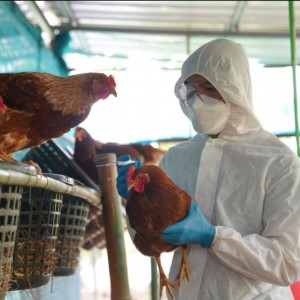
The prevalence of resistance in enterococci to antibiotics, commonly used for therapy in poultry or as antimicrobial growth promoters (AMGPs), was determined in faecal samples of two chicken...
Poultry farming is one of the most efficient animal husbandry methods and it provides nutritional security to a significant number of the world population.
Diabetes mellitus (DM) is an uncommon, poorly documented metabolic disorder of birds. Extrapolating knowledge from DM in mammals is challenging because of marked differences in avian physiology and...
On 22 May 2024, the World Health Organization (WHO) was notified of a laboratory-confirmed case of human infection with avian influenza A(H5N1) virus (clade 2.3.2.1a) by the International Health...
Starting in early October, France will become the first country in Europe to start vaccinating commercial duck flocks against highly pathogenic avian influenza.
Chronic stress leads to a high circulating level of glucocorticoids, which disrupts lipid metabolism and causes non-alcoholic fatty liver disease in mice and humans. Meanwhile, bile acid, a class of...
In late July NOVUS reps presented the 2023 Novus Outstanding Teaching Award to Elizabeth Karcher of Purdue University during the 2023 Poultry Science Association annual meeting in Philadelphia.
AVMA organizers delivered a program full of exciting events, activities and presentations and offered continuing education (CE) sessions by experts from the industry.
The National Institute of Food and Agriculture’s “From Learning to Leading: Cultivating the Next Generation of Diverse Food and Agriculture Professionals Program” will enable eligible...
International experts and government and private sector representatives discussed current challenges and perspectives for the fight against avian influenza.
A specific strain of highly pathogenic avian influenza has left around 60 million birds — mostly poultry — dead. This has implications for us all, whether you’re frustrated about the price of...
A total of 87,863 food samples were collected in the European Union in 2021. Analysis of the results shows that 96.1% of samples fell within legally permitted levels.
This facility, which offers the highest level of biocontainment laboratories and safety protocols, is the first of its kind in the U.S. and will allow scientists to study and diagnose critical animal...