

Multi-target synergistic mechanisms of flavonoid compounds from traditional Chinese medicine in non-alcoholic fatty liver disease: insights for human and veterinary medicine.
Clinical evidence update from Frontiers in veterinary science
Clinical Context
Peer-reviewed veterinary literature continues to shape everyday decision-making for production animal practice, especially when new evidence clarifies diagnosis, treatment selection, monitoring, or clinical outcomes.
What the Study Evaluated
A study published in Frontiers in veterinary science in 2026 evaluated multi-target synergistic mechanisms of flavonoid compounds from traditional Chinese medicine in non-alcoholic fatty liver disease: insights for human and veterinary medicine..
Key Findings
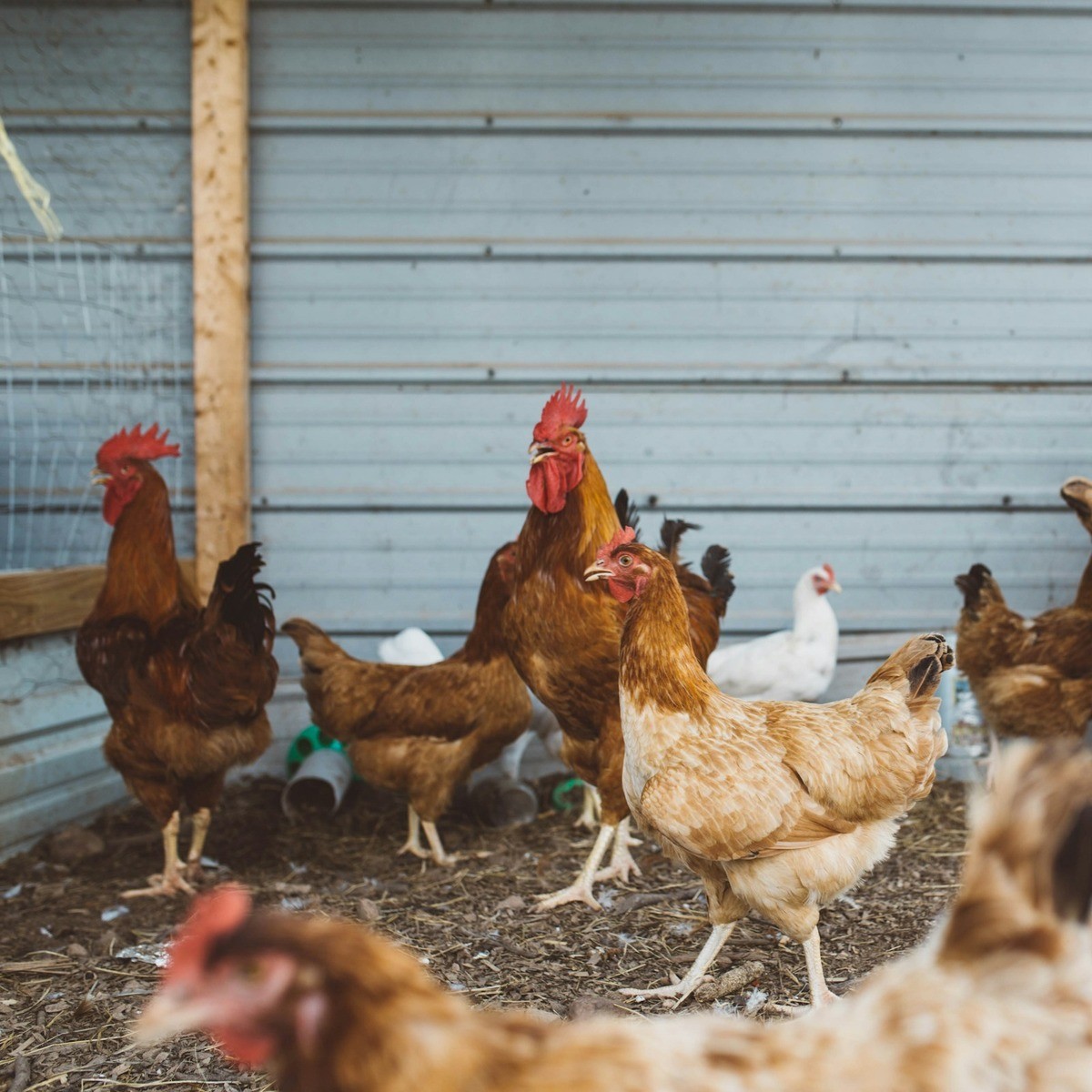
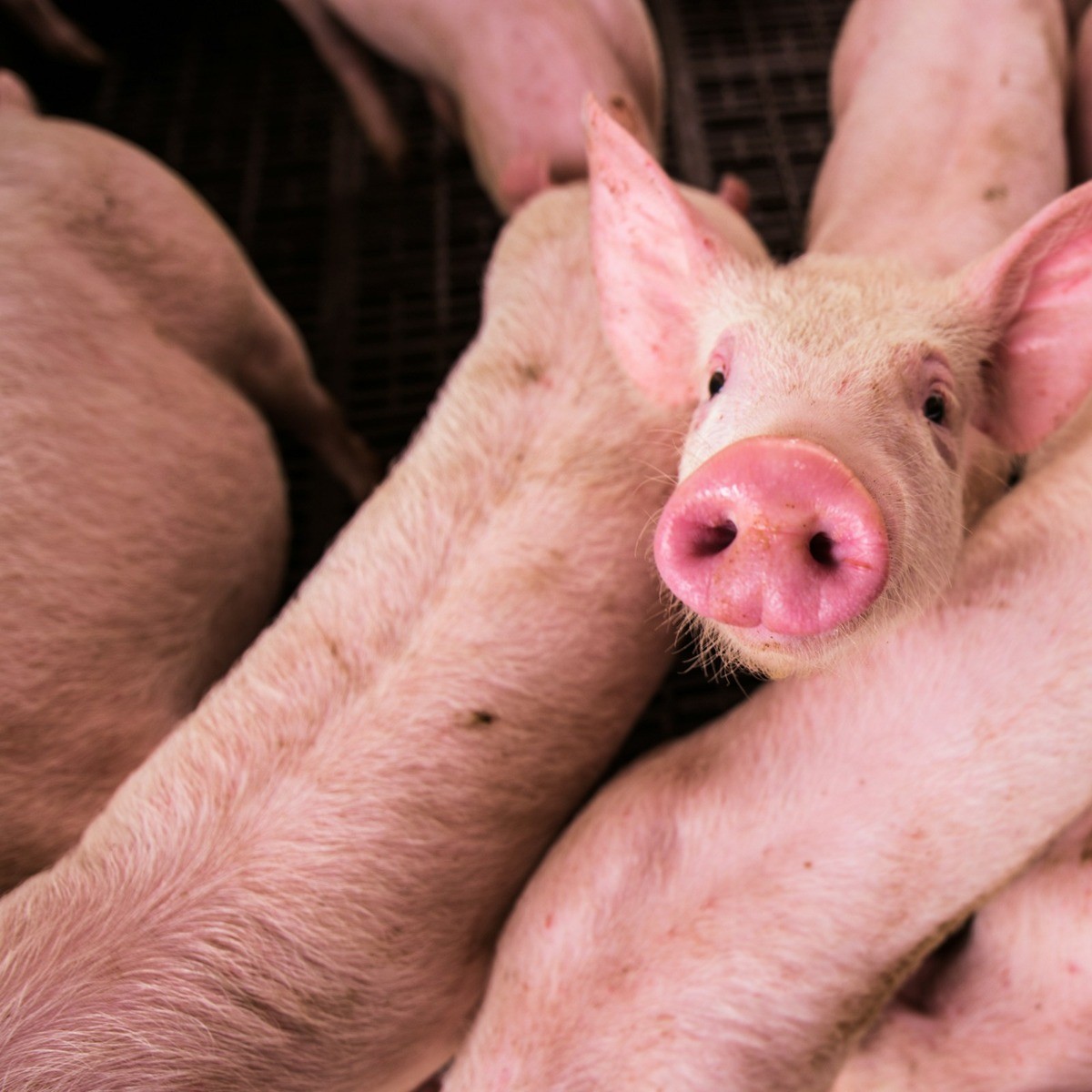
Non-alcoholic fatty liver disease (NAFLD) is a prevalent chronic liver disorder characterized by dysregulated hepatic lipid metabolism, with a continuously rising global incidence and limited safe and effective therapeutic options. Importantly, NAFLD-like conditions, namely hepatic lipidosis or fatty liver syndrome, also prevail in veterinary clinical practice, affecting companion animals (obese cats and dogs) and livestock (periparturient dairy cows, fattening pigs, and broiler chickens). These metabolic liver disorders are primarily induced by inappropriate feeding management and metabolic stress, leading to reduced production performance...
Why It Matters for Veterinary Professionals
For veterinary professionals, the practical value of this work lies in how the findings may support more structured clinical assessment, clearer monitoring, and more informed decisions for production animal practice.
Practical Interpretation
The results should be interpreted in the context of the study design, population, inclusion criteria, and clinical setting. Application in practice should consider patient-specific risk factors, available diagnostics, local standards of care, and clinician judgment.
Clinical Takeaway
Overall, the study adds useful evidence for clinicians seeking to align daily practice with current veterinary research while maintaining a balanced, case-by-case approach.
Read the full article here.
 Comments
Related Articles







Copyright © 2026 - All Rights Reserved
ISSN 2768-198X
List
Add
Please enter a comment