

Use of Intraperitoneal Lidocaine in Horses Undergoing Laparotomy for Colic.
Clinical evidence update from Animals : an open access journal from MDPI
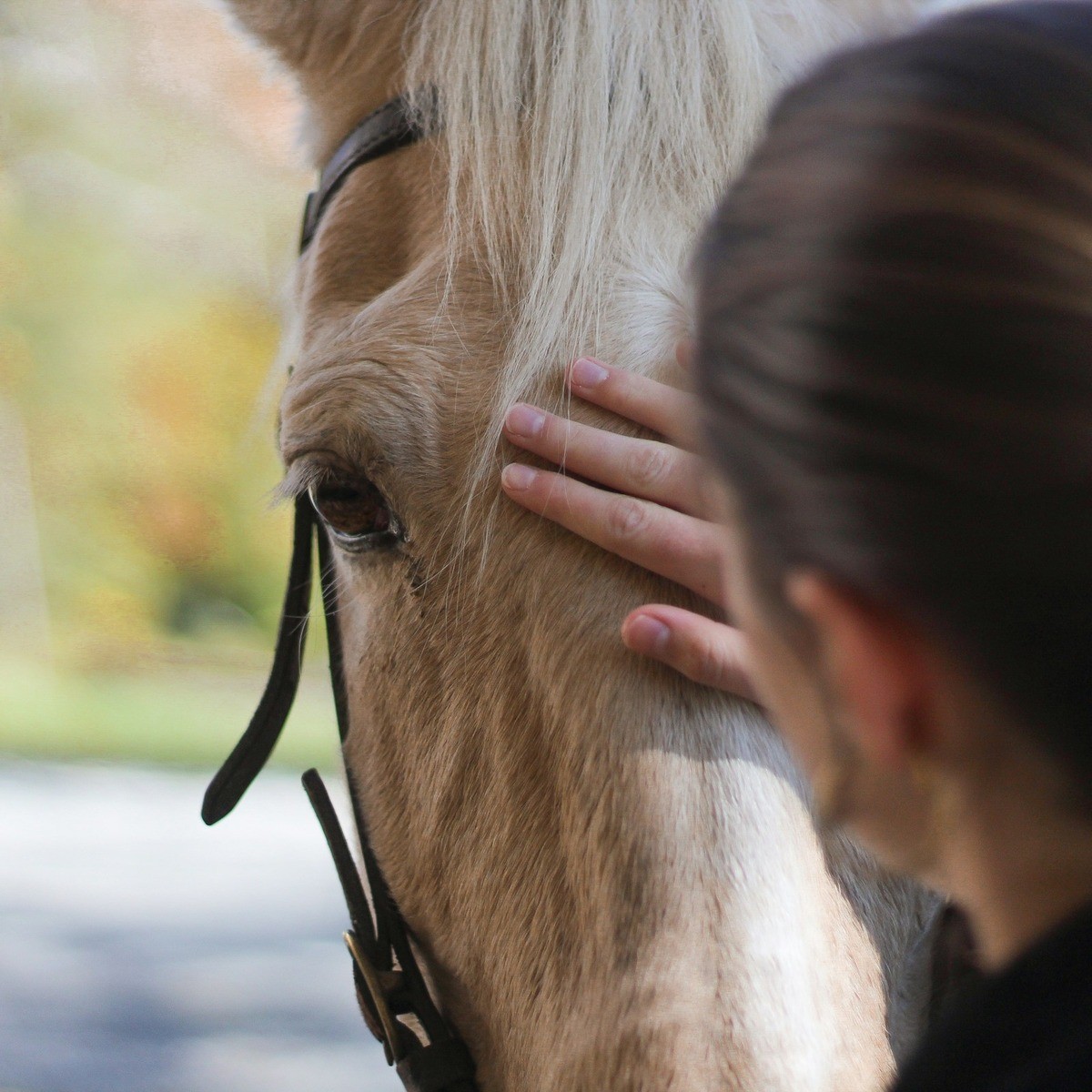
Clinical Context
Peer-reviewed veterinary literature continues to shape everyday decision-making for production animal practice, especially when new evidence clarifies diagnosis, treatment selection, monitoring, or clinical outcomes.
What the Study Evaluated
A study published in Animals : an open access journal from MDPI in 2026 evaluated use of Intraperitoneal Lidocaine in Horses Undergoing Laparotomy for Colic..
Key Findings
Perioperative lidocaine is widely used in horses with acute abdomen for its analgesic, prokinetic, anti-inflammatory, and anti-endotoxic effects, although evidence of its visceral analgesic efficacy remains inconclusive. Given the potential of alternative routes of administration for local anaesthetics, this prospective, randomised, unblinded clinical trial evaluated whether intraperitoneal (IP) lidocaine improves early postoperative recovery, including recovery from anaesthesia and the first 24 h after laparotomy for colic. A Multifactorial Numerical Rating Composite Pain Scale for equines was used for pain assessment. Covariates including...
Why It Matters for Veterinary Professionals
For veterinary professionals, the practical value of this work lies in how the findings may support more structured clinical assessment, clearer monitoring, and more informed decisions for production animal practice.
Practical Interpretation
The results should be interpreted in the context of the study design, population, inclusion criteria, and clinical setting. Application in practice should consider patient-specific risk factors, available diagnostics, local standards of care, and clinician judgment.
Clinical Takeaway
Overall, the study adds useful evidence for clinicians seeking to align daily practice with current veterinary research while maintaining a balanced, case-by-case approach.
Read the full article here.
 Comments
Related Articles





Copyright © 2026 - All Rights Reserved
ISSN 2768-198X
List
Add
Please enter a comment