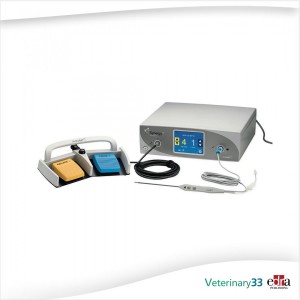
The use of radiofrequency energy (RFE) has become increasingly popular in equine orthopedic surgery in recent years, particularly for the debridement of cartilage lesions and soft tissue resection....
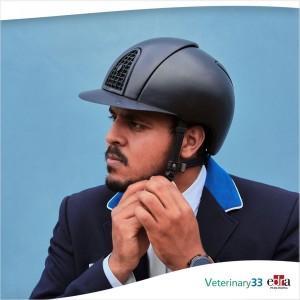
Despite being viewed as a relatively safe pastime, equestrian activities are among the most accident-prone, sustaining more injuries per hour than American football, motorcycling, skiing and car...
PetTalk, from the School of Veterinary Medicine & Biomedical Sciences, Texas A&M University
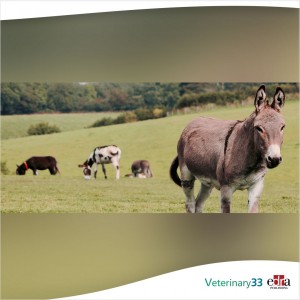
Although they have a reputation for being stubborn, donkeys can make great additions to an animal herd. But owners should first understand what it takes to keep them healthy before buying one.
Akorn Operating Company LLC filed Chapter 7 bankruptcy on February 23, 2023. The company has ceased all operations and terminated all its employees of all domestic U.S. Sites.
This study evaluated the effects of various flow rates and fractions of oxygen on arterial blood gas parameters and on the fraction of inspired oxygen delivered to the distal trachea.
Spoga horse is the largest international business-to-business trade fair for the equine industry. A professional jury selected the top 30 worldwide innovations, ranging from robots that can maintain...
In this paper, the authors document the lesions in three donkeys with fluctuating or chronic loss of weight, lethargy, exfoliative dermatitis and peripheral eosinophilia.
In this article, the authors present a brief history of the study of emotions and models that explain emotions from a scientific point of view and the physiological bases and functions of emotions.
This clinical case report describes an 18-year-old Quarter Horse mare presented for recurrent episodes of colic, profuse sweating, muscle fasciculations and agitation over a 2-month period.
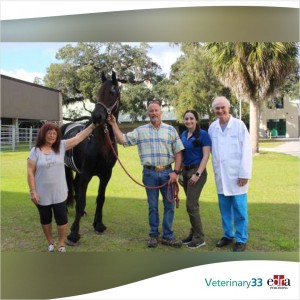
By Sarah Carey, UF College of Veterinary Medicine News
The veterinary team’s analysis revealed a rare gastric impaction with severe chronic gastric dilation. After a week of intensive medical management failed to empty Hannibal’s stomach, Dr. Todd...
The project recently concluded and the campaign gifts of more than $12 million exceeded expectations. The goal was to increase grant and scholarship support for equine medical research, veterinary...