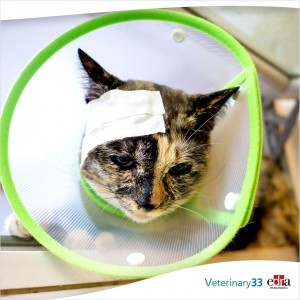
For this study, researchers aimed to identify demographic information, epidemiological factors and clinical abnormalities that differentiate cats with severe trauma, defined by an Animal Trauma...
This document has been developed by an expert task force as the 2022 AAFP/EveryCat Feline Infectious Peritonitis Diagnosis Guidelines to provide veterinarians with essential information to aid their...
VetCor, a portfolio company of funds, announced in a news release that it has acquired People, Pets & Vets, a leading veterinary services company with over 150 animal hospitals located throughout the...
Granulomatous colitis in dogs can be associated with infection of the colonic mucosa by invasive strains of Escherichia coli. To date, fluorescence in situ hybridization is the gold-standard method...
Thoracolumbar intervertebral disc extrusion is the most common cause of acute paraparesis and paraplegia in dogs. However, guidelines on management of the condition are lacking.
The aim of this study was to report complications and outcomes with a novel Achilles repair technique in dogs using a superficial digital flexor tendon (SDFT) or deep digital flexor tendon (DDFT)...
The purpose of this research was to assess correlations between clinical and radiographic findings, histopathologic interpretation and signalment to identify common characteristics and provide...
The authors of this study sought to retrospectively describe the use of splenectomy as part of the management for immune-mediated hemolytic anemia (IMHA), immune-mediated thrombocytopenia (IMT), and...
The Golden Retriever Lifetime Study recently reached its 10-year milestone, marking a decade of gathering data and biological samples to inform canine health studies for many years to come.