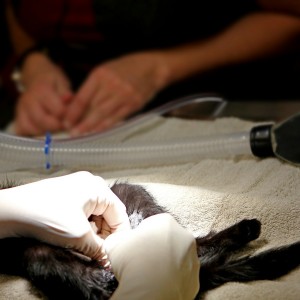
High-fidelity human patient simulators have been used for decades in medical education to provide opportunities for students to practice technical skills, diagnostic and therapeutic planning, and...
The presence of a heart-base tumor was diagnosed by ultrasound imaging in a 10-year-old, female, domestic shorthaired cat presenting with dyspnea and pleural effusion because of the presence of a...
Prevalence and risk factors of intestinal and lung parasites were investigated in 239 owned dogs and 81 owned cats from central Italy. In 36 dogs and 20 cats found infected by nematodes, pre and...
To determine if routine pre-treatment clinical data can be used to predict the development of overt renal insufficiency following treatment of feline hyperthyroidism, we studied retrospectively all...
Anecdotal beliefs and limited research suggest variable patterns of mortality in age, size, and breed cohorts of dogs. Detailed knowledge of mortality patterns would facilitate development of...
Clinical evidence update from Journal of veterinary internal medicine
Limited information is available on the long-term prognostic outcome of chronic inflammatory enteropathy (CIE) in dogs with serum albumin concentrations
Clinical evidence update from Journal of veterinary internal medicine
Subclinical bacteriuria (SB) and pyuria (SP) are recognized in companion animals, yet their prevalence and comorbidities in those without signs of lower
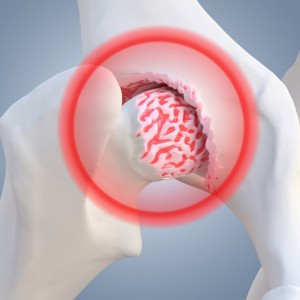
To describe a femoral stem selection process based on case features in dogs treated with total hip replacement (THR) by an expert surgeon, compare complications between implant types, and develop an...