

Feline high-rise syndrome: a retrospective study on 42 cases
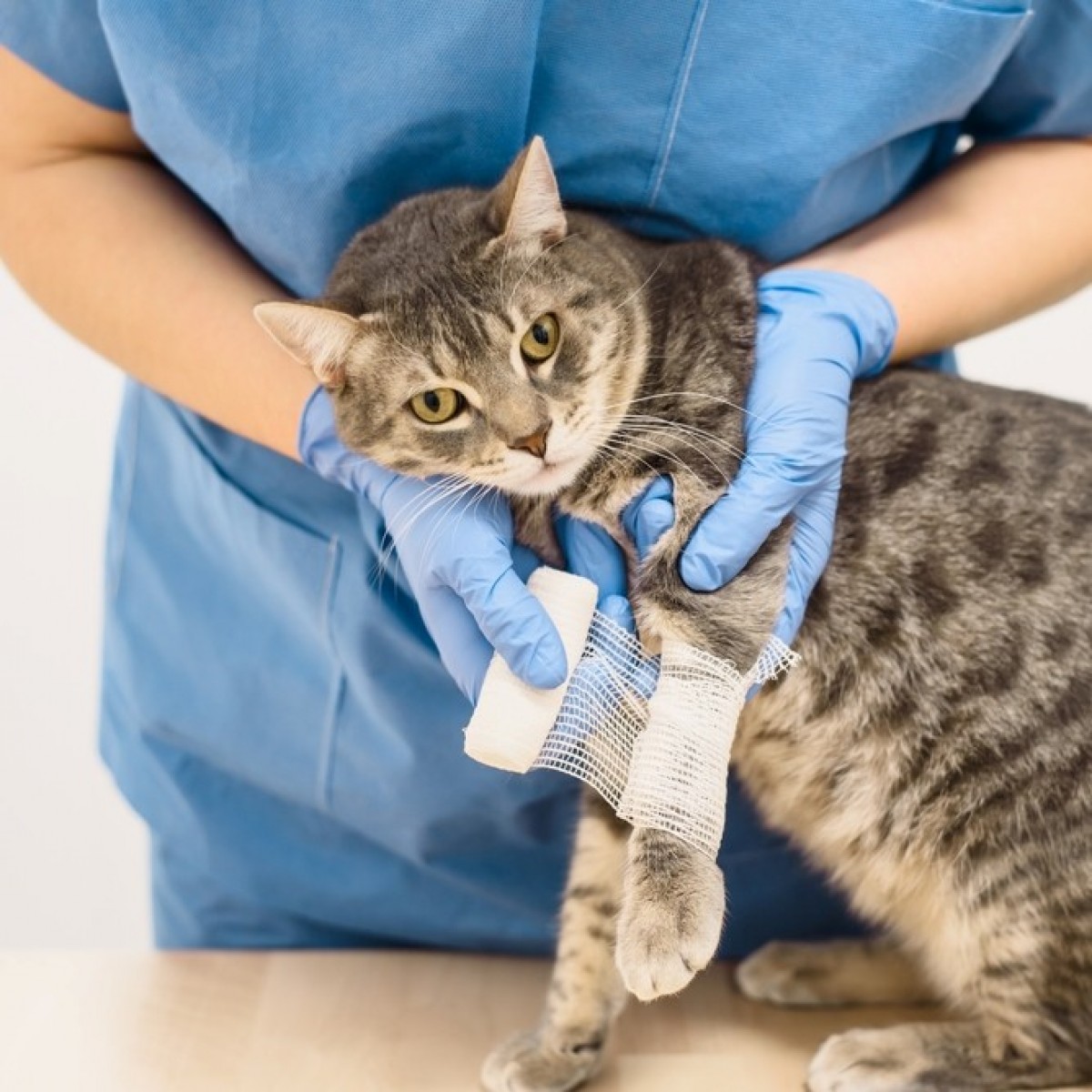
The term ‘high-rise syndrome’ describes the traumatic injuries sustained by cats falling at least two stories. Few retrospective studies are currently available and are at variance about conclusion.
Our aim was to collect all the cases of feline high-rise syndrome and to try to know if, as most of the studies conclude, the association between the severity of injuries and the height of fall follows a curvilinear pattern. We have listed the main complications and the outcome of 42 cats treated for high-rise syndrome in our clinic.
Thirty-seven cats, fallen from the second story and more, were included in our study. Types and severity of injuries were recorded and compared to the number of stories fallen. Mean age was 31.9 months and 43.9% of the cats were under 1 year old. 76% were males. Mean fall was 4.42 stories. The following signs and lesions were observed: limb fractures (42.9%), pulmonary contusions (41.7%), pneumothorax (38.9%), shock (35.1%), epistaxis (22.2%), hematuria or dental fractures (19.4%), split hard palate (16.7%), luxations (11.4%), cranial trauma (11,1%), hemothorax, retinal detachment or medullar trauma (2.8%). Thoracentesis was performed in 6 of 14 pneumothorax (42.9%). The final survival rate in our hospital was 97.3%. Euthanasia was performed in 5 cases (2 for financial reason and 3 for poor recovery). Split hard palate was observed from the fourth story and more.
Head trauma was diagnosed in 4 cats fallen between the third and the sixth story and the survival rate was 50% (2 euthanasia were performed due to poor recovery). Without the results of the second story, severity of lesions follows a curvilinear pattern from the third to the seventh story as most of the studies. In our retrospective study, we have noticed that the severity of injuries, the higher rate of shock (66%) and of thoracic lesions (100%) was related to cats fallen from the sixth story.
Furthermore, our classification of injuries by story has allowed us to show that mean injury score increases until the sixth story whereas percentage of limb fracture is maximal for the fourth and fifth stories and that thoracentesis was required only after a fall of, at least, 5 stories.
Authors: Collard, F.; Genevois, J.P.; Decosnes-Junot, C.; Goy-Thollot, I
Source: https://openurl.ebsco.com/
 Comments
Related Articles


More news





Copyright © 2026 - All Rights Reserved
ISSN 2768-198X
List
Add
Please enter a comment