

A cross-sectional study to compare changes in the prevalence and risk factors for feline obesity between 1993 and 2007 in New Zealand
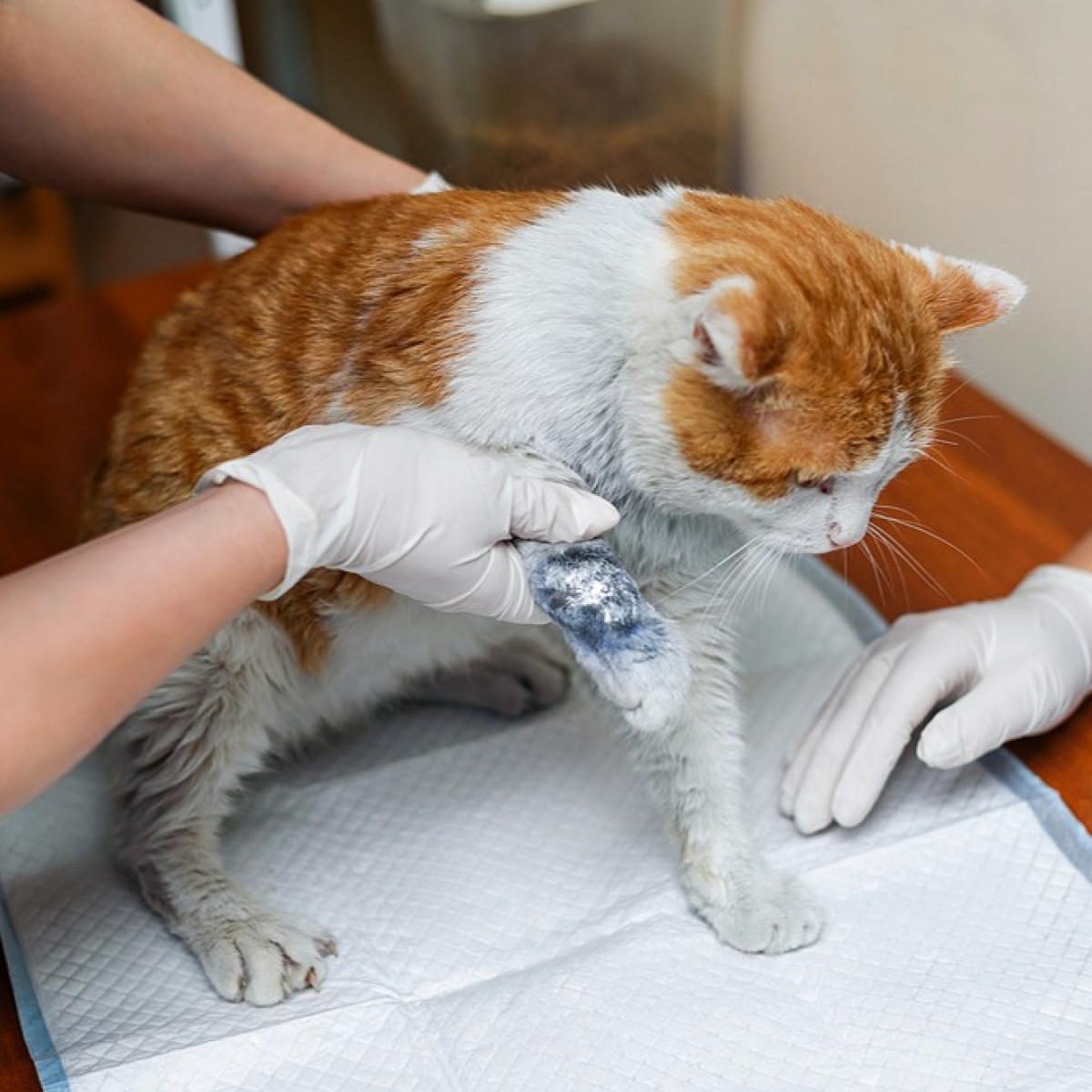
It has been suggested that the prevalence of feline obesity has increased recently in parallel with the prevalence of obesity in the human population.
We had previously determined the prevalence of obesity in an urban New Zealand population of cats in 1993. This study was conducted to determine the prevalence and risk factors of obesity in the same population base, one generation (15 years) later. It was also designed to test the hypothesis that the increase in feeding of energy dense “premium” dry foods to cats in the region was associated with any change in obesity prevalence. A door-to-door survey, conducted within the city limits of Palmerston North, obtained data on the environment, diet, health and behaviour of 200 cats.
The interviewers used a validated scoring system to assess the body condition score (BCS) of each cat and this was used as the outcome variable of interest. Variables were grouped into four risk-factor groupings for stepwise logistic regression, namely cat characteristics, feeding variables, owner's perception of their cat, and household characteristics. Using the same definition for overweight and obese as that used in the 1993 study (BCS > 6/9), the prevalence of obesity was 27%, compared with 26% in 1993. In this study, 63% of cats had a BCS of 6/9 or greater. Variables that were identified as significant from each model (p ≤ 0.1) were included in a combined model. In this model, only three variables were significant: owner underestimation of the body condition of the cat, the cat's leg length, and its age.
Thus, we found no evidence to support the hypothesis that the prevalence of obesity in this population has increased, or that changes in feeding practices have affected obesity incidence. The lack of any feeding variables in the combined model is noteworthy. From a population health perspective, the association between obesity and owner's perception of their cat's body condition suggests that more attention should be directed towards ‘normalising’ the public's view of what a cat's normal body condition is, rather than placing the educational emphasis on changing cats’ feeding patterns or food types.
Authors: N.J. Cave, F.J. Allan, S.L. Schokkenbroek, C.A.M. Metekohy, D.U. Pfeiffer
Source: https://www.sciencedirect.com/
 Comments
Tag
Related Articles



More news






Copyright © 2026 - All Rights Reserved
ISSN 2768-198X
List
Add
Please enter a comment