

Feline immunodeficiency virus infection in cats of Japan
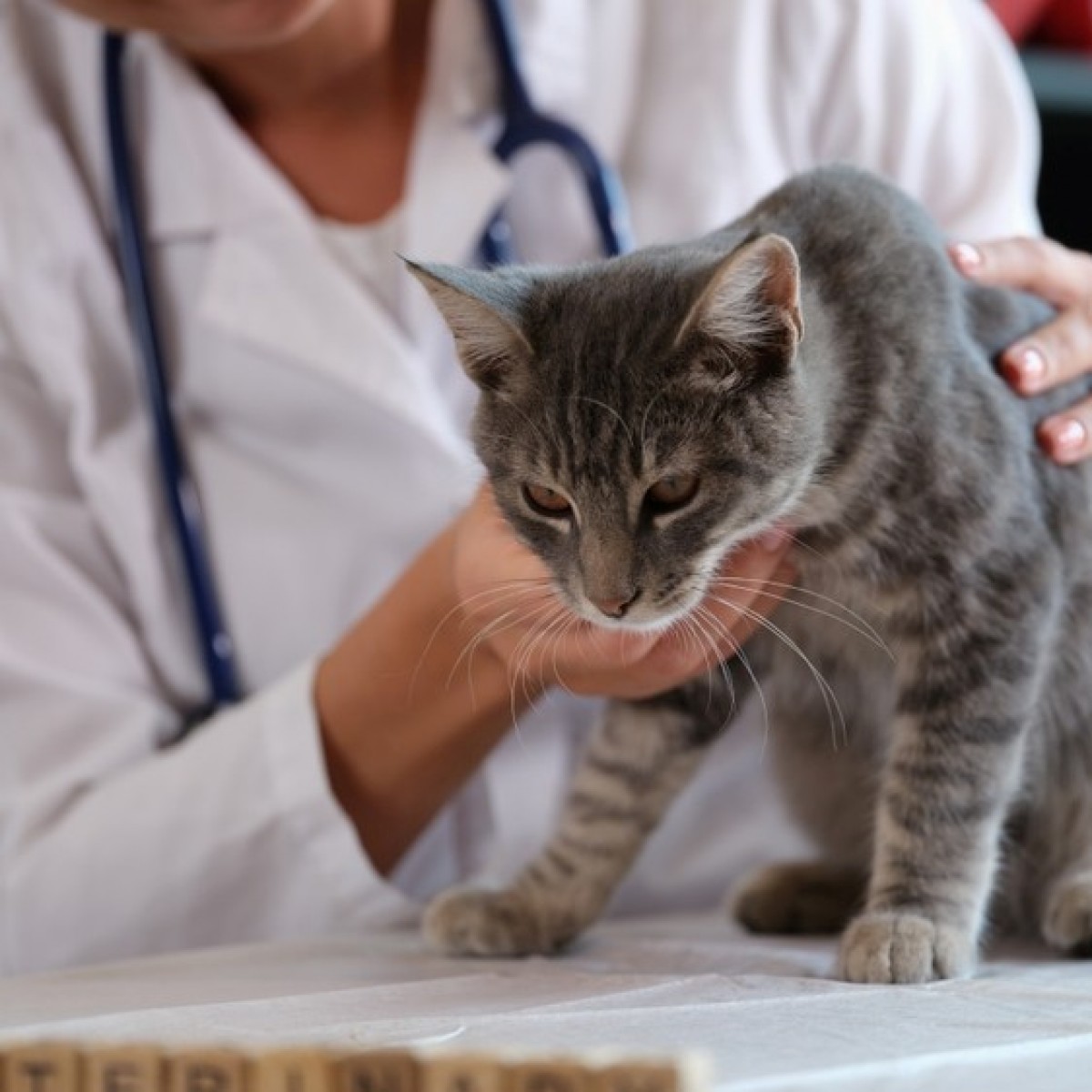
A seroepidemiologic survey for feline immunodeficiency virus (fiv) infection was conducted in Japan. Between June and December 1987, individual sera (n = 3,323) were submitted by veterinary practitioners from many parts of the country. Specimens were from 1,739 cats with clinical signs suggestive of fiv infection and from 1,584 healthy-appearing cats seen by the same practitioners. The overall fiv infection rate among cats in Japan was 960/3,323 cats (28.9%). The infection rate was more than 3 times higher in the clinically ill cats, compared with that in the healthy cats of the same cohort (43.9 vs 12.4%). Male cats were 1.5 times as likely to be infected as were females. Almost all fiv-infected cats were domestic cats (as opposed to purebred cats).
Complete clinical history was available for 700 of 960 fiv-infected cats. Of these 700 fiv-infected cats, 626 (89.4%) were clinically ill, and the remainder did not have clinical signs of disease. The mean age at the time of fiv diagnosis for the 700 cats was 5.2 years, with younger mean age for males (4.9 years) than for females (5.8 years). Most of the infected cats (94.7%) were either allowed to run outdoors or had lived outdoors before being brought into homes. The mortality for fiv-infected cats during the 6 months after diagnosis was 14.7%, and the mean age at the time of death was 5.7 years.
Concurrent FeLV infection was seen in 12.4% of the fiv-infected cats, but this was not much different from the historical incidence of FeLV infection in similar groups of cats not infected with fiv. Dually infected cats were of a younger mean age than were cats infected only with fiv (4.3 vs 5.2 years). Cats coinfected with fiv and FeLV tended to die at a younger age than did cats infected only with fiv (4.6 vs 5.7 years). There was no obvious relationship between fiv infection rate and antibody titer interpreted as positive for infection with feline infectious peritonitis virus, and feline infectious periotonitis among fiv-infected cats was less than historically expected for the population as a whole.
The clinical signs seen most frequently in fiv-infected cats were stomatitis/gingivitis (52.4%), chronic upper respiratory tract disease (28.9%), anemia (17.9%), emaciation (14.6%), bacterial infections (14.4%), chronic shin disease (13.4%), and chronic enteritis (11.9%). Less frequently observed clinical findings were renal disease, fever of unknown origin, lymphadenopathy, and leukopenia. A small number of fiv-positive cats had infections caused by opportunistic organisms. These diseases included haemobartonellosis, notoedric mange, toxoplasmosis, cryptococcosis, Pseudomonas infection, candidiasis, and atypical mycobacterial infections. Three young fiv-infected cats had FeLV-negative lymphosarcoma or fibrosarcoma.
Authors: Takuo Ishida, Tsukimi Washizu, Kazushige Toriyabe, Shigekatsu Motoyoshi, Isamu Tomoda, Niels C. Pedersen
Source: https://avmajournals.avma.org/
 Comments
Related Articles

More news




Copyright © 2026 - All Rights Reserved
ISSN 2768-198X
List
Add
My cat has FIV, he is doing well. I feed him my cat raw food, supplement him, no vaccines. I do cycle in and out of supplements to support his health. They can life just as long as a cat who doesn’t have FIV, it’s not a death sentence and can’t be given t