Objective: The main aim of this study was to compare the accuracy of stifle exploratory using either a stifle distractor (SD method) or a combination of Hohmann and Senn retractors (HS method) for...
Report by Prof. Paolo Silvestrini at the SCIVAC RIMINI 2022 congress held on May 27-29 at the Rimini conference center.
The stomach accumulates, crushes, and slowly pushes the partially digested food into the proximal intestine, where the digestive process and the absorption of nutritional principles continue.
To report the survival times in dogs that received a standardized palliative-intent radiation therapy (RT) protocol for the treatment of canine appendicular osteosarcoma (OSA), alone or in...
The relationship between blood group antigens and disease has been studied in humans. Blood types have been associated with both decreased and increased rates of various infections. In addition,...
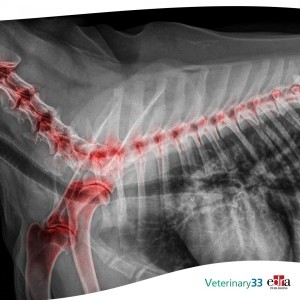
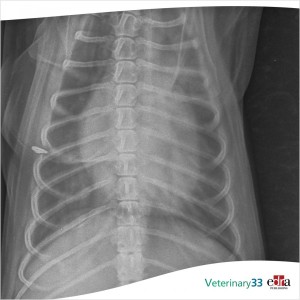
Background: Acute phase proteins (APP) may guide the treatment of pneumonia in dogs but correlations with radiographic abnormalities are poorly characterized.
Background: Hypercalcemia is associated with chronic kidney disease (CKD) in cats, but studies assessing the physiologically relevant ionized calcium fraction are lacking.Objectives: To describe the...
Cats typically don’t have a high thirst drive, which can lead to chronic, low-grade dehydration and cause conditions such as kidney problems, feline lower urinary tract disease, and bladder stones....
Objectives: The aim of this multicentre retrospective study was to describe the clinical presentation, imaging findings, diagnosis and outcomes of cats with retrobulbar neoplasia. Methods: A total of...
The typical canine rehabilitation patient with orthopedic disease may differ in its nutritional needs, with the assumption that most patients will be on a complete and balanced commercial dog food...
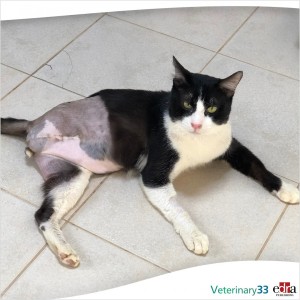
Limb amputation may be recommended in domestic cats following a severe injury or disease. The purpose of the study was to report the signalment, the complications, recovery outcome, owner...
Background: The recommended doxorubicin (DOX) dose for small dogs is 1 mg/kg. Recent data suggest that DOX-induced gastrointestinal (GI) toxicosis can be reduced with maropitant treatment.
Body weight and spay/neuter status are risk factors for CCLR in dogs.
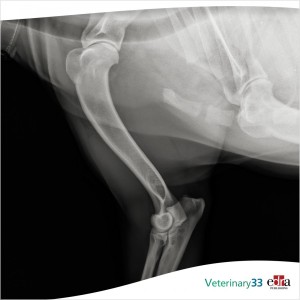
Background: Cranial cruciate ligament rupture (CCLR) is one of the most common causes of pelvic limb lameness in dogs. Risk factors for CCLR include breed (especially large and giant breeds), body...
The American Society for the Prevention of Cruelty to Animals (ASPCA) has applauded New York state lawmakers who passed a bill to stop the retail sales of cats, dogs, and rabbits. If the legislation,...