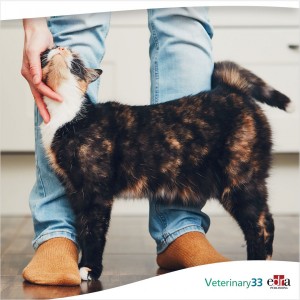
Chocolate isn’t the only scary threat at Halloween
As people celebrate Halloween, the toxicology experts at Pet Poison Helpline want to warn pet lovers about things that can seriously sicken or kill a pet.
Hill's Pet Nutrition, Zoetis Animal Health, other industry leaders donate to the cause
CareVet Rescue was recently deployed to help pets and their owners in Fort Myers, Florida. More than 120 veterinarians, veterinary technicians and other members of CareVet provided volunteer aid.
Antimicrobial stewardship is becoming more important every day with increasing bacterial resistance and limitations on antibiotics. Prophylactic antibiotics are not necessary with all procedures,...
This study aimed to evaluate renal measurements by B-mode ultrasound in kittens during their first three months and compare them with those of young adult cats.
Better fracture alignment, lower complication rate found when fractures are stabilized with an open technique
Treatment options for metacarpal and metatarsal fractures include conservative and surgical management. The aim of this study is to determine whether there is any...
Canine cognitive dysfunction is a form of dementia that shares many similarities with Alzheimer’s disease. The authors explored the association between physical activity and cognitive health in a...
Free-ranging common snapping turtles are commonly evaluated for partial carapace avulsion defects from collision with vehicle undercarriages. This retrospective study details the presentation,...
Dogtopia recently celebrated its 20th anniversary and achievement of a Guiness World Records title for the most photos of sitting dogs uploaded to Instagram in one hour.
To describe the signalment, dosing, adverse events and patient diagnosis for dogs and cats admitted to the critical care unit receiving tranexamic acid.
Mars Veterinary Health recently announced the formation of an industry-wide working group aimed at strengthening the relationship between veterinary teams and pet owners through resources, education,...
In humans, tear volume increases during emotional arousal. To our knowledge, no previous studies have investigated the relationship between emotional arousal and tear volume in animals.