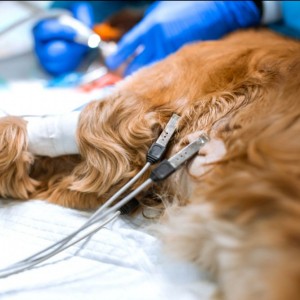
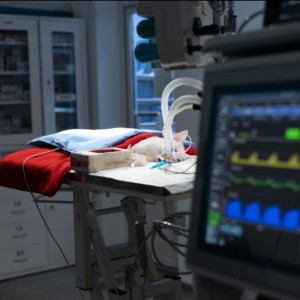
Cardiac electrical activity is often altered by administration of anesthetic drugs. While the effects of propofol in this regard have previously been described in dogs, to date, there are no reports...
Gastrointestinal eosinophilic sclerosing fibroplasia (GESF) in cats presents as mass(es) associated with the gastrointestinal tract, mesentery, and abdominal lymph nodes.
Basophilia is a rare hematologic finding in dogs. This research aimed to describe the hematologic and clinical characteristics of dogs with moderate-to-marked basophilia.
The patient was a castrated male American Shorthair cat, approximately 14 years old, weighing 3.4 kg. The patient had chronic kidney disease (CKD) (International Renal Interest Society stages 3-4) as...
Serum symmetric dimethylarginine (SDMA) is used to screen for renal dysfunction in dogs. The gold standard technique for measuring SDMA, liquid chromatography-tandem mass spectrometry (LC-MS/MS) is...
Urinary microbial diversities have been reported in humans according to sex, age and clinical status, including painful bladder syndrome/interstitial cystitis (PBS/IC).
Meningoencephalomyelitis of unknown etiology (MUE) is a comprehensive term for non-infectious inflammatory brain diseases of the central nervous system (CNS) caused by abnormal autoimmune...
Canine behaviour problems seen by speciality behavioural medicine services often involve chronic anxiety disorders that have resulted in maladaptation of the individual to its environment.