The aim of this multicenter retrospective study was to determine the influence of preclosure antiseptic versus saline lavage on surgical site infections (SSI) in dogs following tibial plateau...
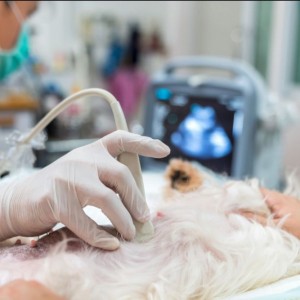
Prenatal diagnosis comprises a set of investigations, both instrumental and laboratory-based, which aim to monitor the health of the foetus during pregnancy, from the early stages of embryonic...
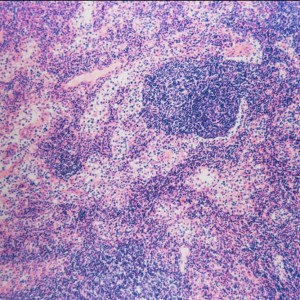
Canine lymphoma, which is one of the most common malignancies diagnosed in dogs, is typically seen as a systemic disease that often involves the lymph nodes, liver, and spleen, and may include the...
Exocrine pancreatic insufficiency (EPI) is a malabsorptive syndrome caused by insufficient secretion of digestive enzymes from pancreatic acini. The most common causes of EPI in dogs and cats are...
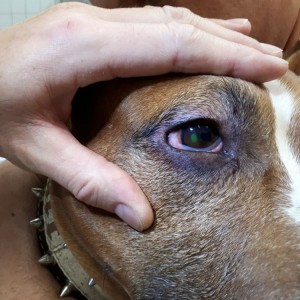
The objective of the study was to identify bacterial pathogens and their antimicrobial sensitivity profile associated with cases of canine progressive ulcerative keratitis.
Deep-seated pulmonary lesions can be difficult to sample safely. The aim of this study was to determine the relative safety and accuracy of fluoroscopy-guided fine-needle aspiration of deep-seated...
Seizure emergencies (ie, status epilepticus [SE] and cluster seizures [CS]), are common challenging disorders with complex pathophysiology, rapidly progressive drug-resistant and self-sustaining...
Canine lymphoma, which is one of the most common malignancies diagnosed in dogs, is typically seen as a systemic disease that often involves the lymph nodes, liver, and spleen, and may include the...
Hepatitis E virus (HEV) genotype 3 infections in Germany are mainly transmitted zoonotically through the consumption of swine meat. Furthermore, there is evidence that pets might come into contact...