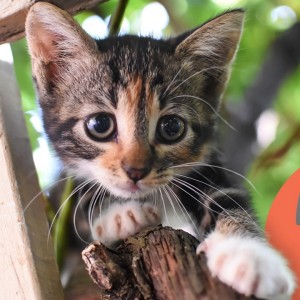
To evaluate the expression of Ki67 and epidermal growth factor receptor (EGFR), mitotic index (MI), and microvascular density (MVD) in feline oral squamous cell carcinoma (SCC) via...
The Veterinary Oral Health Council (VOHC®) has awarded the VOHC Seal of Acceptance to Tartar Shield® Pro Care Natural Pet Toothpaste for tartar control in dogs.
After more than four decades of pioneering research in respiratory physiology, Paul Davenport, Ph.D., is retiring from the University of Florida College of Veterinary Medicine, where his work has...
To determine the prevalence of individual anatomic components of brachycephalic airway obstructive syndrome (BAOS), including everted tonsils, and analyze the frequency with which each component...
To describe an indirect funduscopy imaging technique for dogs and cats using low cost and widely available equipment: a smartphone, a three-dimensional (3D) printed indirect lens adapter, and a 40...
Dial A Vet, the global veterinary telehealth platform transforming access to pet care, has been named Innovation Champion at the 2025 Finder Innovation Awards, while also being recognised as a...
To determine current practices regarding use of antimicrobials in equine patients undergoing surgery because of colic at veterinary teaching hospitals.
In an attempt to associate the clinical neurological syndromes with the neuropathological features of canine distemper (CD), 19 spontaneous cases with neurological involvement were examined, before...
When Roxy arrived in April 2025 at UW Veterinary Care’s (UWVC) emergency department, she had a history of coughing, decreased energy level, and lack of appetite.