

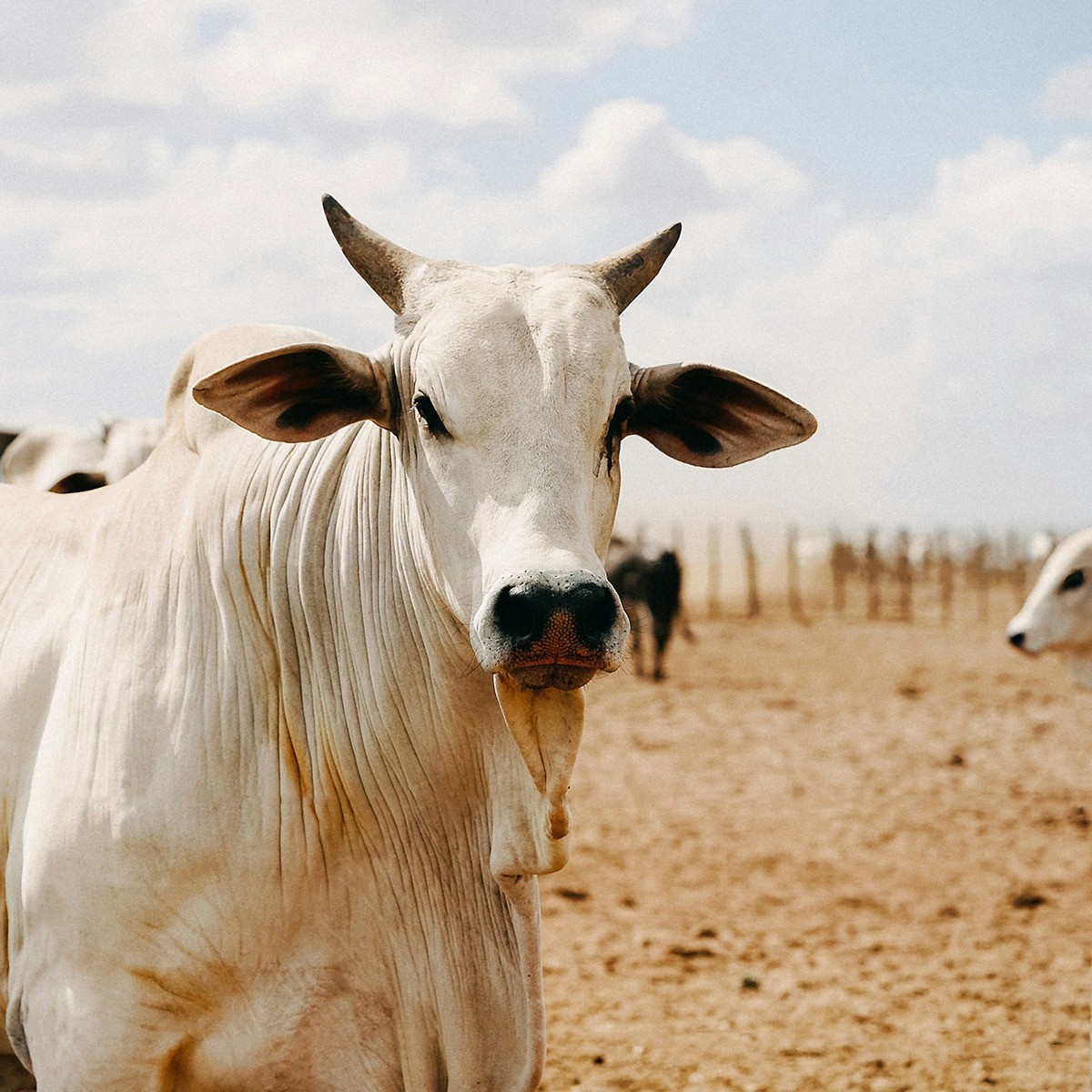
Multilevel analysis of risk factors for clinical mastitis in dairy cows in Plateau State, Nigeria a hierarchical mixed-effects logistic regression modelling approach.
Clinical evidence update from BMC veterinary research
Clinical Context
Peer-reviewed veterinary literature continues to shape everyday decision-making for production animal practice, especially when new evidence clarifies diagnosis, treatment selection, monitoring, or clinical outcomes.
What the Study Evaluated
A study published in BMC veterinary research in 2026 evaluated multilevel analysis of risk factors for clinical mastitis in dairy cows in Plateau State, Nigeria: a hierarchical mixed-effects logistic regression modelling approach..
Key Findings
Mastitis remains a significant health challenge affecting dairy cows, with implications for animal welfare, milk production, and farm profitability. In Nigeria, there are limited large-scale studies that have systematically investigated the multifactorial risk factors for mastitis across diverse production systems and geographical locations. This study aimed to assess the prevalence of mastitis and identify its risk factors using a hierarchical mixed effects logistic regression, block-wise analytical approach. A cross-sectional survey was conducted across 298 dairy farms in North-Central Nigeria. Data were collected on farm demographics,...
Why It Matters for Veterinary Professionals
For veterinary professionals, the practical value of this work lies in how the findings may support more structured clinical assessment, clearer monitoring, and more informed decisions for production animal practice.
Practical Interpretation
The results should be interpreted in the context of the study design, population, inclusion criteria, and clinical setting. Application in practice should consider patient-specific risk factors, available diagnostics, local standards of care, and clinician judgment.
Clinical Takeaway
Overall, the study adds useful evidence for clinicians seeking to align daily practice with current veterinary research while maintaining a balanced, case-by-case approach.
Read the full article here.
 Comments
Related Articles






Copyright © 2026 - All Rights Reserved
ISSN 2768-198X
List
Add
Please enter a comment