

USDA urged to strengthen farm animal welfare, finalize long-awaited organic standards
by Katie Pfaff

The ASPCA (American Society for the Prevention of Cruelty to Animals) and the Animal Welfare Institute led more than 15 other organizations, farmers and companies to call on the U.S. Department of Agriculture to complete the Organic Livestock and Poultry Standards (OLPS) rule.
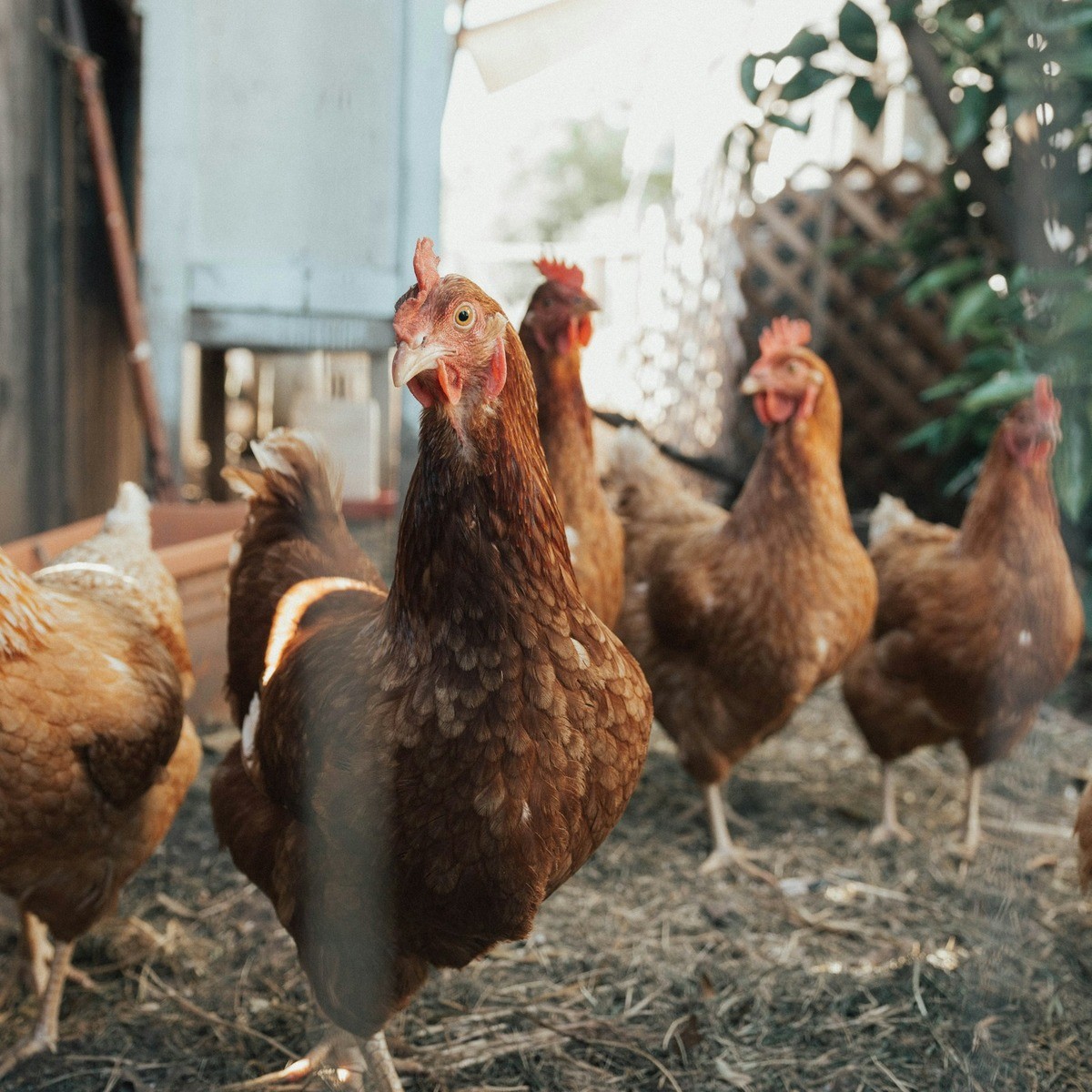
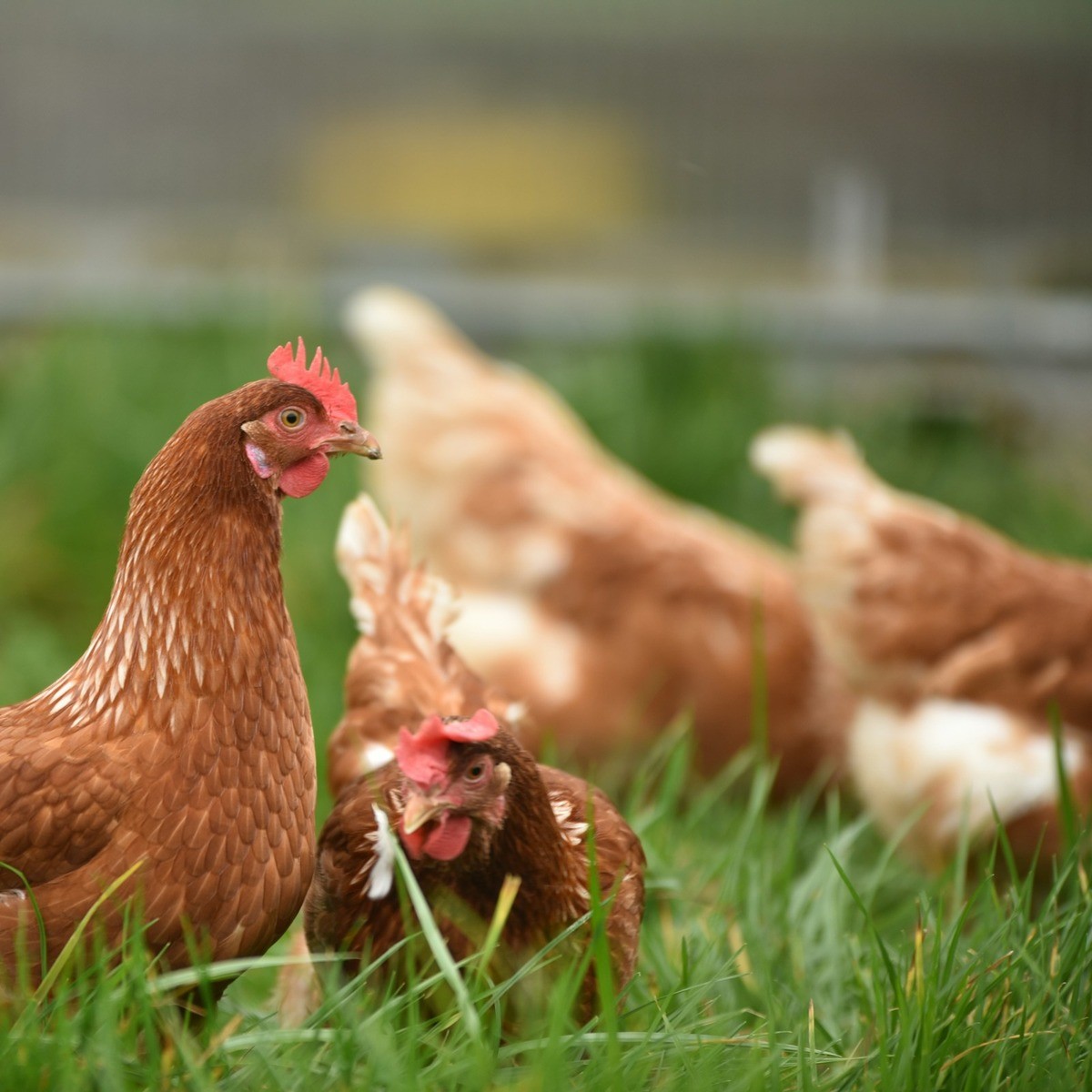
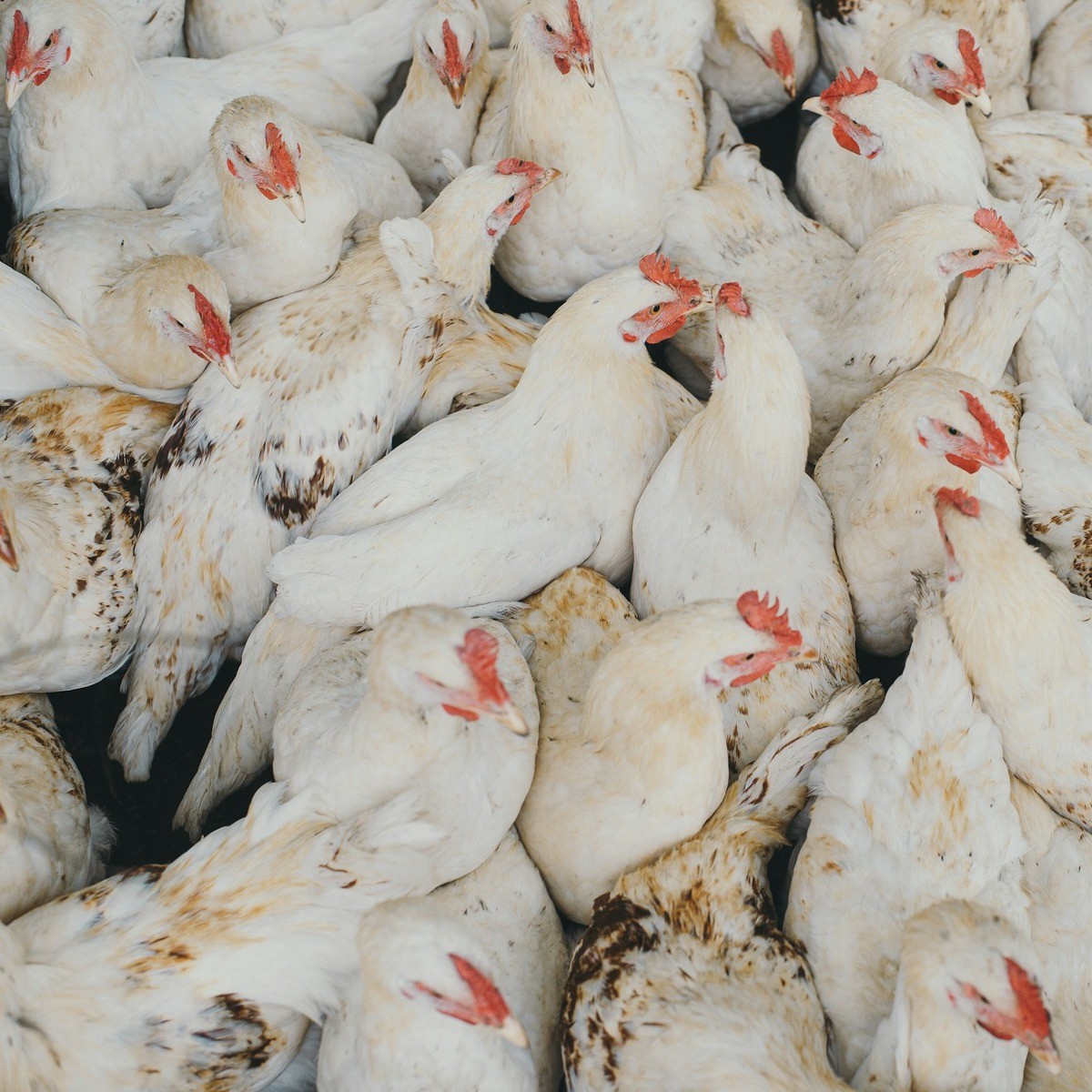
These federal regulations would require stronger welfare standards for animals raised under the USDA Organic label that better align with consumer expectations, according to an ASPCA news release. The rule would also level the playing field for organic farmers who adhere to higher-welfare practices, such as providing chickens with meaningful access to outdoor space where they can engage in natural behaviors.
According to the news release, the new rule offers a second chance at improving the lives of the more than 186 million farm animals raised annually under the USDA's National Organic Program by ensuring it represents truly higher-welfare farming.
Matt Bershadker, ASPCA president and CEO said that the organization is encouraged to see the USDA revisiting the rule to fix inconsistencies and loopholes in the National Organic Program.
“The exploitation of these flaws has put the lives and welfare of millions of animals at risk, and we urge the agency to act swiftly and decisively to correct them," he said. "The National Organic Program should be acting as intended — protecting animals raised on organic farms and keeping consumers accurately aware of farming conditions — not obscuring the truth and allowing cruel farming practices to get a pass. The ASPCA is dedicated to ensuring the USDA's welfare standards are meaningful for animals and meet public expectations of what the organic label entails."
The proposed measure is similar to a 2017 rule that was withdrawn during the Trump administration, despite garnering support from tens of thousands of Americans and most of the organic farming community. The rule clarifies that outdoor access is not equivalent to having a screened-in porch area. It would also prohibit debeaking of birds, docking of pigs and tail docking and face branding of cattle as well as pig gestation crates. The regulation would also require provision of bedding and rooting materials for pigs, and provision of perches for egg-laying hens.
According to a recent national poll cited in the news release, the overwhelming majority or 80 percent of organic consumers say animal welfare is important to them when considering whether to purchase organic animal products. Some 85 percent stated that it's important for the federal government to establish clear, uniform standards for animal welfare on organic farms.
 Comments
Related Articles
More news



Copyright © 2026 - All Rights Reserved
ISSN 2768-198X
List
Add
Please enter a comment