

Mammary gland, skin and soft tissue tumors in pet cats: findings of the feline tumors collected from 2002 to 2022
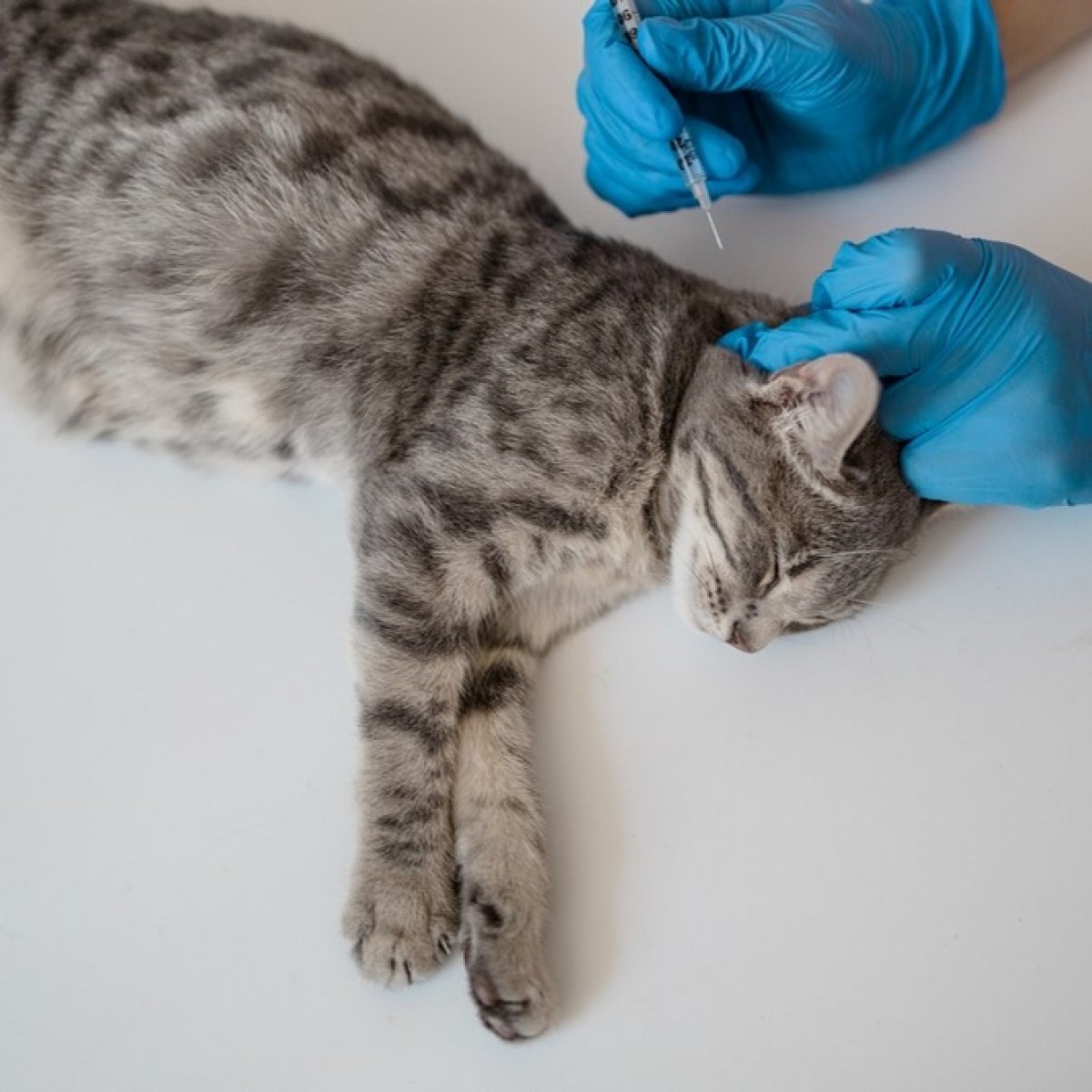
Introduction: Cancer is a leading cause of death in cats, and the rate of such disease has been increasing recently. Nonetheless, feline oncology represents an important area of study not only for the health and wellbeing of cats but also for human health since various types of cancer in cats share similarities to those found in humans. Therefore, epidemiological studies on feline oncology may suggest environmental and genetic factors contributing to cancer in cats, which can eventually be translated to improve human cancer care.
Method: To provide an initial understanding of the epidemiology of feline neoplasms, a descriptive study was undertaken using a dataset documenting cases of feline cancer gathered from the Liguria region (northwest Italy) spanning from 2002 to 2022. The database includes tumor location, morphological codes of the International Classification of Diseases for Oncology, 3rd Edition (ICD-O-3), feline's breed, sex, neuter status, date of birth, date of diagnosis, national territorial unit code of the town of the owner's residence, and an alphanumeric string uniquely identifying the owner's surname.
Results and discussion: The dataset involves a population of 4,399 cats, including 3,195 females (1,425 neutered) and 1,204 males (750 neutered). Our results indicate that mammary gland tumors are the most represented tumors in the female population, while soft tissue and skin cancers appear to have a higher abundance in the male population during the periods investigated (2002–2022). Moreover, Poisson regression analysis showed that not neutered female cats have a significantly increased risk of developing mammary gland tumors compared to the neutered female population [proportional morbidity ratio (PMR) neutered vs. not neutered = 0.58, 95% CI: 0.47–0.72]; meanwhile, for both sexes, for soft tissue and skin tumors, being neutered appears to be a risk factor (PMR neutered vs. not neutered = 2.26, 95% CI: 1.86–2.73; PMR neutered vs. not neutered = 1.16, 95% CI: 0.89–1.51). Finally, the evaluation of the Ligurian municipalities pollution, based on wild boars data (i.e., biomonitors), which coexisted with cats, was correlated to cancer development for all the tumors investigated (in polluted areas, estimated PMRs ranged from 42.61 to 80.13, 95% CI: 29.94–105.11). Overall, the data presented here suggest the use of the feline population as a possible animal model for human health, i.e., sentinel.
Authors: Roberta Giugliano, Filippo Dell'Anno, Livia De Paolis, Maria Ines Crescio, Valentina Ciccotelli, Barbara Vivaldi, Elisabetta Razzuoli
Source: https://www.frontiersin.org/
 Comments
Related Articles


More news





Copyright © 2026 - All Rights Reserved
ISSN 2768-198X
List
Add
Please enter a comment