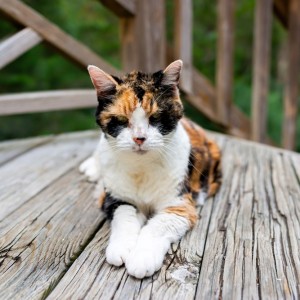
Feline hyperthyroidism (FHT) is the most common endocrine disease in elderly cats, with a reported prevalence of up to 10% in cats aged > 10 years. If left untreated, cats with hyperthyroidism can...
Dogs with a brachycephalic conformation often experience a collection of abnormalities related to their craniofacial conformation, which can lead to a variety of clinical signs such as stertor,...
The aim of this double-blind, placebo-controlled study was to investigate the effect of vitamin E supplementation as an addition to a commercial renal diet on survival time of cats with different...
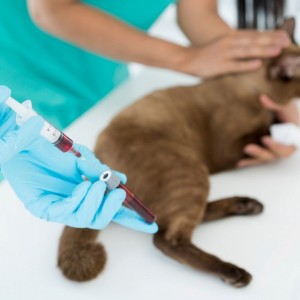
Blood donors are screened for medication use to determine their health status and to ensure that the collection will be safe and efficacious for transfusion.
The objective of the present study was to evaluate minimally invasive diagnostic techniques, such as the semi-quantitative indirect IgG antibody enzyme immunoassay (EIA) using blood serum and the...
Canine lymphoma is the most common hematopoietic cancer in dogs. Numerous studies have evaluated the prognostic value of hematological abnormalities and ratios in both humans and dogs with...