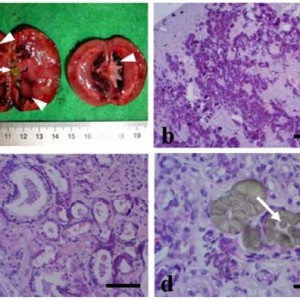
Carcinoma in situ of the breast is a well-known entity in humans. In veterinary medicine, particularly in canine and feline mammary literature, there is no agreement whether the term in situ should...
Canine and feline obesity rates have reached pandemic proportions and are similar to those in humans, with approximately 30%–40% of dogs and cats being overweight to obese.
Canine Papillomavirus (CPV) is a prevalent viral infection in dogs, characterized by the formation of benign warts or papillomas on the skin and mucous membranes.
The objective of this study was to document newly qualified veterinarians' concerns and surgical complications encountered during canine ovariohysterectomy (cOVH) during the first year of general...
Adult dogs, especially elderly ones, are commonly affected by prostate diseases. Performing rectal palpation during physical examination in dogs is important in small animal clinical diagnosis.
To describe an indirect funduscopy imaging technique for dogs and cats using low cost and widely available equipment: a smartphone, a three-dimensional (3D) printed indirect lens adapter, and a 40...
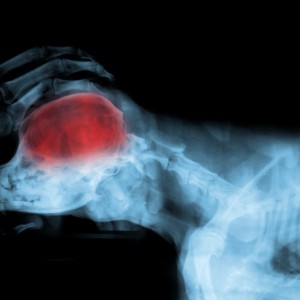
Canine brain tumours are becoming established as naturally occurring models of disease to advance diagnostic and therapeutic understanding successfully.