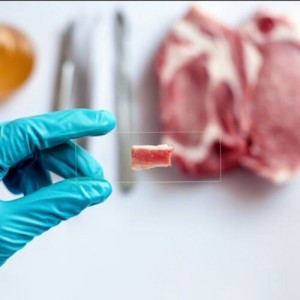
In 2008, the United States had the largest recall of beef in its history.1 The event unfolded as a result of undercover video of nonambulatory (downer) cows being abused, which eventually led to a...
Seek Labs, a biotech company boldly seeking a healthier world through AI-powered discovery, programmable therapeutics, and point-of-care diagnostics, today announced the inclusion of Foot-and-Mouth...
Zoey the cockapoo greeted life with tail-wagging joy. A mass of tawny curls, she loved everyone, and they loved her back. Her ever-growing Instagram account had over 3,000 followers.
Cannabis use by mothers during pregnancy and while nursing may disrupt and slow the reproductive development of their daughters and even granddaughters, a new Washington State University study...
When the University of California launched the School of Veterinary Medicine at its Davis campus 75 years ago, the school founders adopted an innovative outlook to research.
A cross sectional study was conducted on 2231 small ruminants in four districts of the Afar Pastoral Region of Ethiopia to investigate the epidemiology of tuberculosis in goats and sheep using...
Zoetis Inc. today announced that the Committee for Veterinary Medicinal Products (CVMP) of the European Medicines Agency (EMA) has adopted a positive opinion recommending the granting of marketing...
The aim of this study was to conduct a comprehensive assessment of feline infectious upper respiratory tract infection (URTI) and disease (URTD) in Australian cats.
Metropolitan Veterinary Associates (MVA), the region’s leading specialty and emergency veterinary hospital, is proud to announce a new partnership with Harcum College’s Animal Center Management...
The purpose of this study was to investigate the relationship between swine health status and the concentration of the serum acute phase proteins, haptoglobin (HP), and C-reactive protein (CRP). A...