

Dicrocoeliosis of ruminants: a little known fluke disease
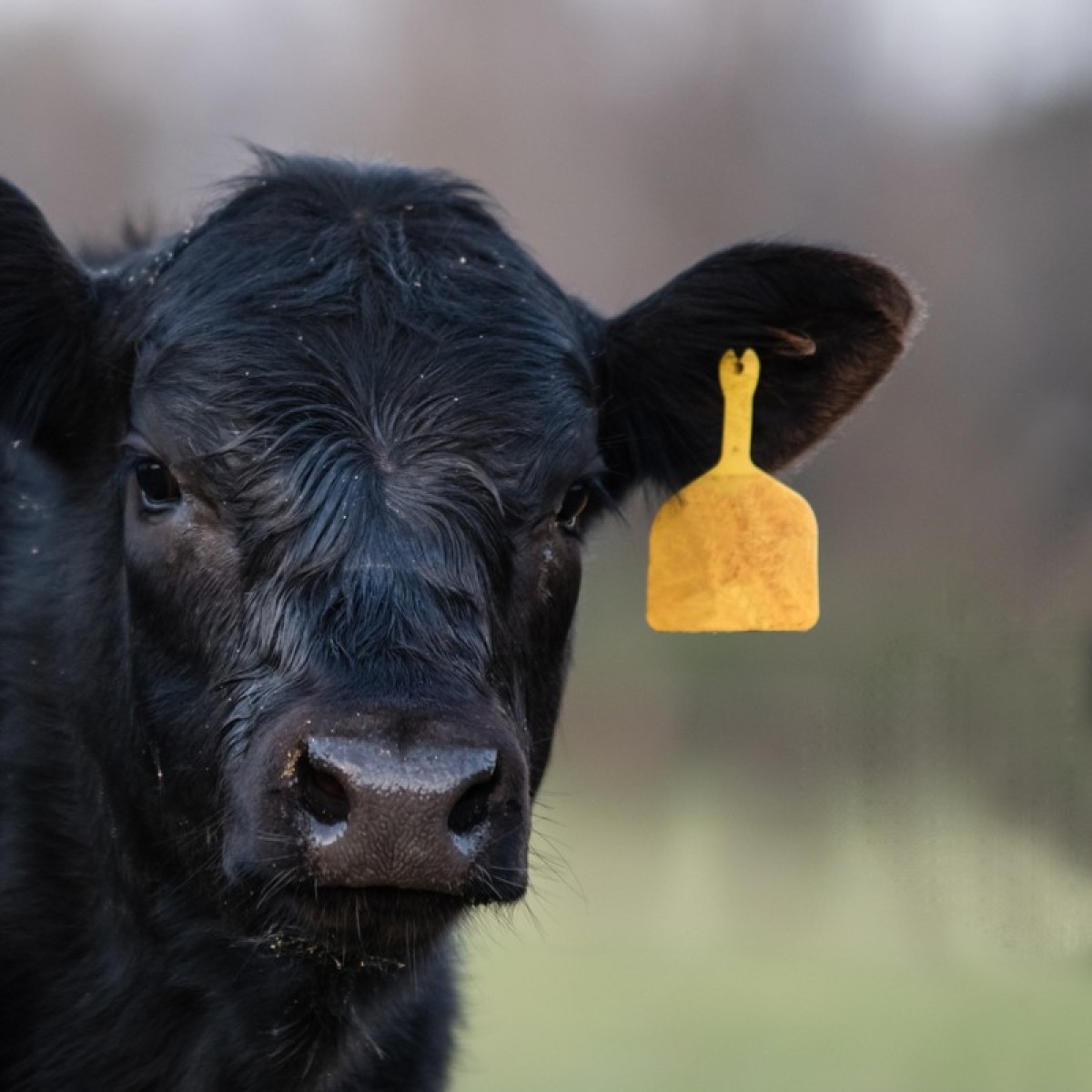
Dicrocoeliosis is mainly caused by Dicrocoelium dendriticum, which is also known as ‘lancet fluke’ or ‘small liver fluke’ as opposed to Fasciola spp., otherwise known as the ‘liver fluke’. This underestimated parasitic disease affects the liver of domestic and wild ruminants, which can lead to weight loss and reduced milk production, and is also common among grazing ruminants.
Reports of dicrocoeliosis are increasing, mainly due to the expansion of dry desertified habitats and the increase in anthelmintic resistance. This article provides insights into the latest investigations on diagnosis and control of dicrocoeliosis, and discusses the feasibility of environmentally friendly management strategies.
Authors: Domenico Otranto, Donato Traversa
Source: https://www.cell.com/
 Comments
Related Articles





More news






Copyright © 2026 - All Rights Reserved
ISSN 2768-198X
List
Add
Please enter a comment