

The Shortage of Livestock Veterinarians — A Significant Problem
by Jenny Alonge

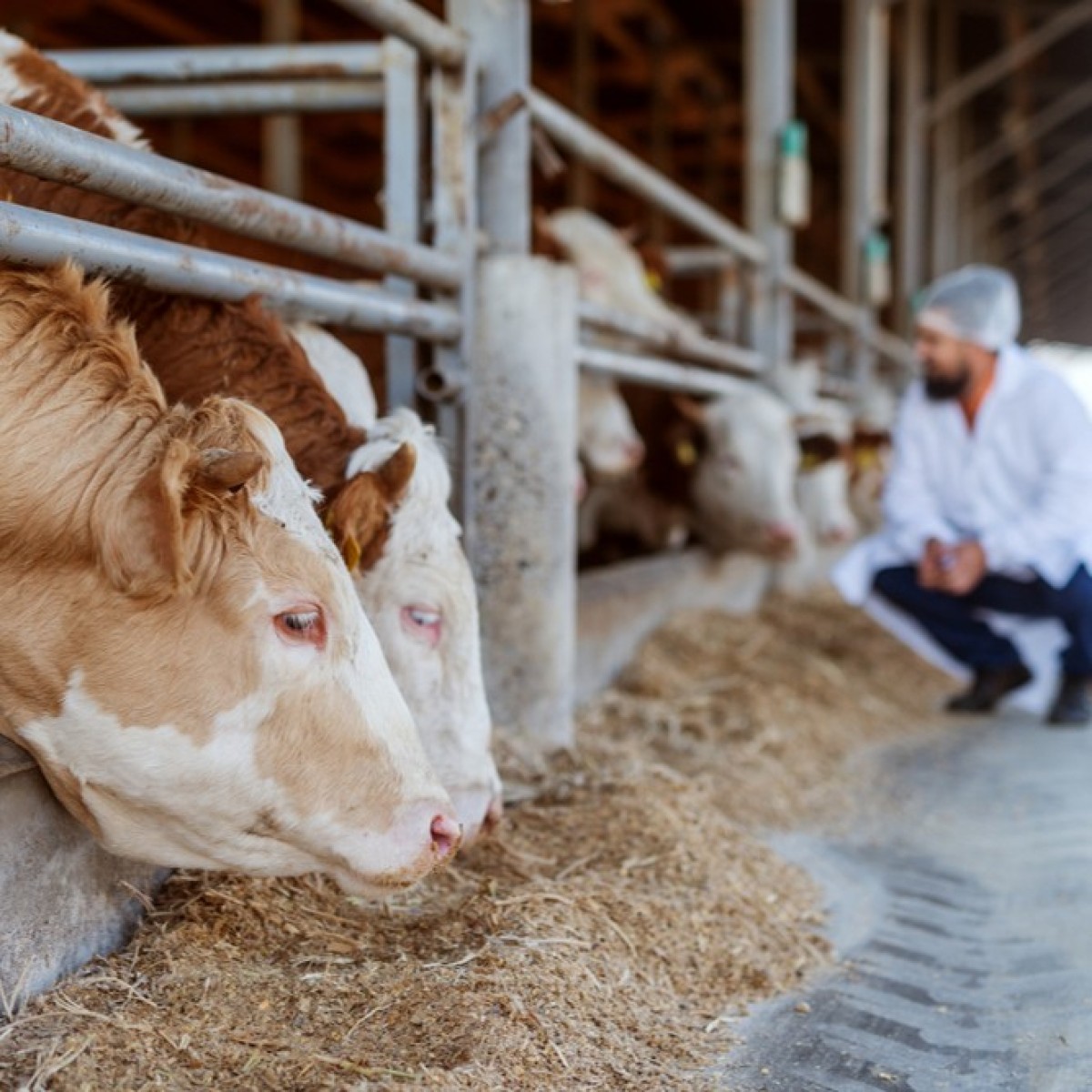
According to the United States Department of Agriculture (USDA), 500 counties in 44 states had veterinarian deficiencies in 2019. Rural areas were most commonly affected. While programs exist to help encourage new veterinary graduates to choose a rural lifestyle, these areas are still lacking in manpower. This is an increasing problem for livestock producers, who rely heavily on veterinarians to help with calving issues, perform emergency C-sections, and pregnancy-check heifers in the fall. The reality is that the job of a livestock veterinarian is physically demanding, requires extensive on-call work, and pays much less than veterinarians working in small animal medicine.
Factors influencing the shortage
Numerous factors have led to the current circumstances. This is a complex issue, involving social as well as economic elements.
- An increasing number of women in the profession — Of the 110,000 veterinarians in the United States, more than 60 percent are women, and this number is only going to rise, because veterinary schools are now 80 to 90 percent female. Women are extremely capable of handling the demands of a livestock veterinarian, but most prefer small animal or equine medicine. The physical requirements of livestock medicine can be challenging for pregnant women, and the long hours and substantial on-call responsibilities make a family life difficult, which makes this field unattractive to many women.
- High debt after veterinary school — According to the American Veterinary Medical Association (AVMA), 2018 veterinary graduates in the United States averaged $143,000 of debt. Livestock veterinarians typically make about $13,000 less a year than small animal veterinarians, which makes paying back that mountain of debt more difficult.
- Fewer veterinary students from rural backgrounds — The majority of current livestock veterinarians came from a rural background. As the U.S. population has shifted from rural to mostly urban, this has resulted in a decrease in veterinary students from rural backgrounds. Students living in rural areas are also more likely to need to work as they attend school, with the result that they often carry a lower grade point average (GPA) than an urban student. Veterinary schools value grades above most other factors when recruiting new students, putting students whose focus is not solely academics at a disadvantage.
- Increased stress in livestock medicine — All veterinarians in the United States are at an increased risk for suicide. Female veterinarians are more than three times as likely to die from suicide as the general population, and male veterinarians are twice as likely to kill themselves. The stress is increased for a livestock veterinarian, who typically has to drive long distances to provide care for their patients. If the patient is suffering from an emergency situation, their prognosis decreases the longer care is delayed, adding stress to an already stressful situation. Substantial on-call duty also takes a toll when down time is frequently interrupted.
- Farm consolidation — Larger farms can afford to handle their own veterinary issues, and can usually order their own veterinary items and medications online. If small producers are bought out by larger farms that perform their own veterinary services, the local livestock veterinarian may not have enough work to make staying in the area worthwhile.
- Livestock veterinarians are undervalued — Farmers and ranchers do not tend to value or appreciate their veterinarian as much as small animal owners. Companion animal veterinarians can raise rates much more easily than livestock veterinarians, and many livestock producers buy products directly from the pharmaceutical companies, cutting the veterinarian out of the transaction.
Addressing the shortage
Strategies to help solve this problem are in place, with more being developed, to bring additional livestock veterinarians to rural areas.
- Loan repayment programs — The USDA Veterinary Medicine Loan Repayment Program provides up to $25,000 each year toward educational debt in exchange for three years of service in any of the 190 USDA-designated shortage areas nationwide. A poll taken in 2016 revealed that 80 percent of veterinarians completing their service planned to remain in the area. Increasing this program’s funding and labeling more places as shortage areas have been recommended. Several states also offer programs to encourage students to track toward a career in a rural area.
- Providing exposure to livestock — Educational opportunities are being developed in some areas to expose high school, pre-veterinary, and veterinary students to livestock, to educate them on handling the animals to improve their comfort level.
- Targeting students from rural backgrounds — Programs such as Future Farmers of American and 4-H are being targeted to recruit rural students, and basing veterinary school acceptance partly on the student’s home area is being considered.
- Telehealth — When used supplementally to in-person visits, this avenue could help veterinarians reach more rural communities, and still maintain a better work-life balance.
- Veterinary technicians — These trained professionals could help mitigate the livestock veterinarian’s on-call duty by triaging cases and handling patients who do not require a veterinarian’s attention.
Livestock veterinarians are essential to the health and well-being of the animals in their care. New innovations will hopefully bring more veterinarians into rural areas to fill the needs of many states. Livestock veterinarians also need community support, to help ensure they can continue to practice effectively and profitably.
 Comments
Tag
Related Articles







Copyright © 2026 - All Rights Reserved
ISSN 2768-198X
List
Add
Please enter a comment