Autologous platelet concentrates (APCs) are being used increasingly in horses to enhance regeneration in tissues that have poor natural healing capabilities.
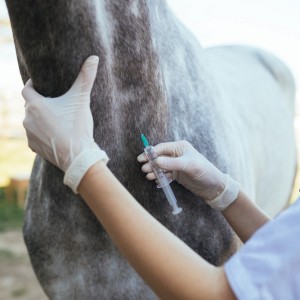
Joint injections are commonly used in equine practice for diagnosis and treatment of joint disorders. Performing joint injections is hence an essential skill for equine practitioners.
To compare serum amyloid A (SAA) concentration, plasma fibrinogen concentration, total WBC count, and serum albumin-to-globulin concentration ratio (A:G ratio) in clinically normal (CN) and...
Equine herpesvirus 1 (EHV-1) infection in horses is responsible for upper respiratory infection in young horses and abortion, usually in late gestation, although recent work by Smith et al [1] and...
Mesenchymal stem cells, considered one of the most promising cell types for therapeutic applications due to their capacity to secrete regenerative bioactive molecules, are present in all...
A survey of veterinary radiation therapy facilities in the United States was done in 2001 to determine the type of equipment available, radiation protocols used, case load, tumor types irradiated, as...
Sarcoids are the most frequently diagnosed dermatological tumour in horses. It is a disease that can affect various species of equids, such as donkeys, mules and zebras.
To determine current practices regarding use of antimicrobials in equine patients undergoing surgery because of colic at veterinary teaching hospitals.