To compare AA CSF collection time and reaction scores in horses sedated with morphine-containing and opioid-free sedation protocols: detomidine + morphine (DM), detomidine + xylazine (DX), detomidine...
Grapiprant is a prostaglandin E2 receptor antagonist that has been found to be an effective anti-inflammatory in dogs and that is devoid of some of the adverse effects associated with traditional...
Increasing evidence reveals the importance of gut microbiota in animals for regulating intestinal homeostasis, metabolism, and host health. The gut microbial community has been reported to be closely...
The American Equine Veterinarians Association survey also points to an increase in the use of antibiotics in the last 10 years when performing this treatment.
Osteochondrosis is commonly encountered in young horses, with welfare, performance, and economic effects. Consequently, pre-purchase radiographic screening for osteochondrosis is routinely performed.
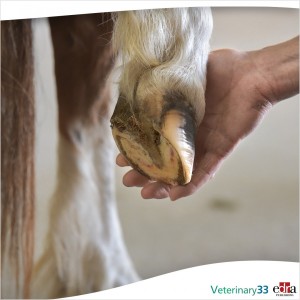
Laminitis is a common equine disease that causes significant pain and decreased mobility, and afflicts horses from many breeds, ages, backgrounds, and disciplines. The condition can be caused by limb...
From a clinical point of view, knowledge of the commensal microbial flora of the conjunctival sac in healthy individuals proves to be of great importance. The aim of this study was to assess the...
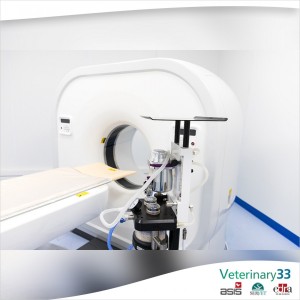
Computed tomography (CT) imaging of the head in equine patients is now commonly performed as CT scanners are more readily available. Head CT has proven valuable in evaluating spatially complex...
Computed tomography (CT)is increasingly available in veterinary referral practices; however, published studies describing CT lesions of the equine elbow are currently lacking. In this single-center,...
The market for equine diagnostics is expected to reach a value of $280 million by 2030, according to a report by Transparency Market Research, a market analysis company. The market includes blood,...