

Identifying lumps, bumps with diagnostic testing

Lumps and bumps are a normal part of life, but what do we do when we notice a new lump or bump on our furry friend?
When we take our pet to a veterinarian to examine a mass, the doctor may recommend diagnostic testing, which includes any medical screenings used to determine the cause of a pet’s symptoms, according to Dr. Sarah Jacobson, a clinical pathology resident at the Texas A&M School of Veterinary Medicine & Biomedical Sciences.
“One of the first ‘diagnostics’ that a veterinarian performs is obtaining a medical history of the animal and performing a physical exam,” Jacobson said. “Because an animal cannot tell us specifically what is wrong or what is bothering them, we have to rely on what clues they can give us, such as changes in energy, weight, eating habits, or other clinical signs.”
Locating Masses Through Diagnostic Testing
Diagnostically testing a pet through a physical exam can be especially useful for narrowing down causes of abnormal masses, which present themselves as small lumps or bumps on the body or under the skin.
“There are many reasons an animal might have a lump, bump, or mass, and there are many places on the body where masses can exist,” Jacobson explained. “It could be an enlarged lymph node, joint swelling, cyst, inflammatory process, or even malignant (cancerous) or benign (noncancerous) tumors, but the location of the mass clues us in as to what the most likely tissue growth is. For example, when it comes to a mass in the nasal cavity or a tumor on the spleen, we have two completely different lists of what the most likely tumors are going to be in those locations.”
Additional Tests For Reaching A Diagnosis
Oftentimes, additional forms of diagnostic testing will be necessary in order to determine the exact cause of a pet’s ailment.
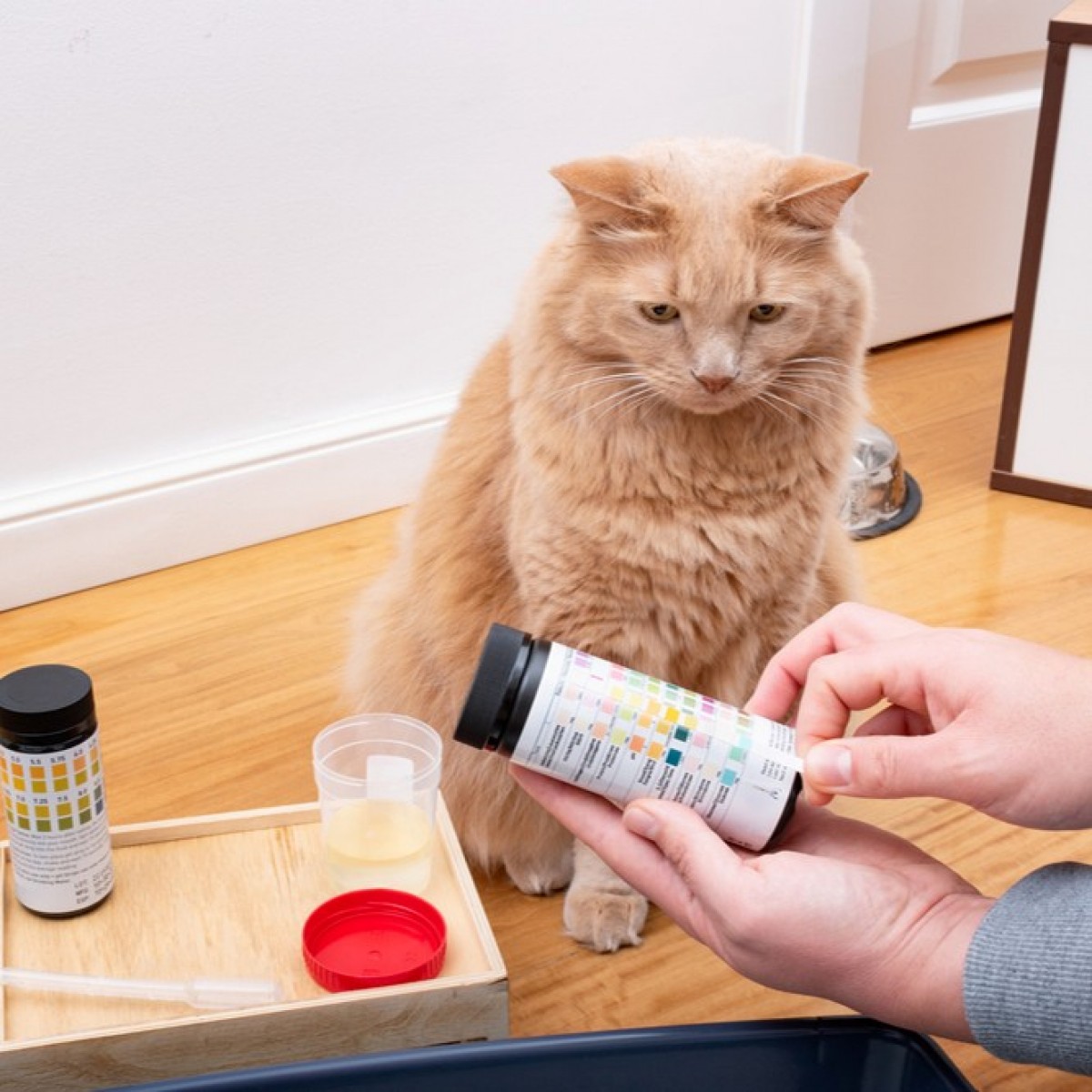
“There is a lot of information to be gained from a history and physical exam, but if this alone does not provide an answer, then the information is used to decide what diagnostics to perform next,” Jacobson said. “Forms of diagnostic testing can include performing blood work or an analysis of the urine, taking X-rays, collecting samples to view under a microscope, or testing for specific infectious agents such as viruses, bacteria, fungi, or parasites.”
For masses that have been located, veterinarians can narrow down the list of possible causes by using a form of diagnostic testing called cytology, a field of medicine focused on examining cells from bodily tissues.
“When it comes to testing a mass using cytology, veterinarians may perform a fine needle aspirate, which involves poking a needle into the mass and collecting cells to put on a slide for microscopic analysis,” Jacobson said. “Analyzing the cells can help veterinarians determine if the cause of a mass is because of an inflammatory reaction to irritants or a neoplastic process (when cells grow abnormally and lead to tumor growth).”
Inflammatory processes typically involve treating the cause of inflammation, but treating neoplastic processes can require more extensive treatment methods, including surgery or chemotherapy.
“If it is an inflammatory process, we can see what inflammatory cells are present, signaling what the cause of the inflammation is, whether it is fungal, bacterial, allergies, or something similar,” she continued. “On the other hand, if it’s a neoplastic process, we can attempt to determine what the main cell type is and if the mass is part of a benign or malignant process.”
Next Steps After Testing
Jacobson emphasizes that testing these masses does not always give an exact answer as to what it is, yet it can help veterinarians either rule out a diagnosis or guide further diagnostic testing.
Until an appropriate diagnosis is reached, Jacobson encourages owners to practice patience.
“Finding a diagnosis is not always easy,” Jacobson said. “It takes veterinarians knowing what diagnostic step they want to take next, having a specific reason for that test, and being able to communicate next steps with owners. It also takes owners understanding that this can be a lengthy process, but they should still ask questions about the diagnostic tests their vet wants to run and how it will help their animal.”
If you notice any pesky lumps or bumps on your pet, talk to your veterinarian about the diagnostic testing options that can help rule out possible concerns and, if necessary, get them on the road to recovery.
Source: https://vetmed.tamu.edu/news/pet-talk/diagnostic-testing/
 Comments
Related Articles







Copyright © 2026 - All Rights Reserved
ISSN 2768-198X
List
Add
Please enter a comment