MY ACCOUNT | NEWSLETTER |

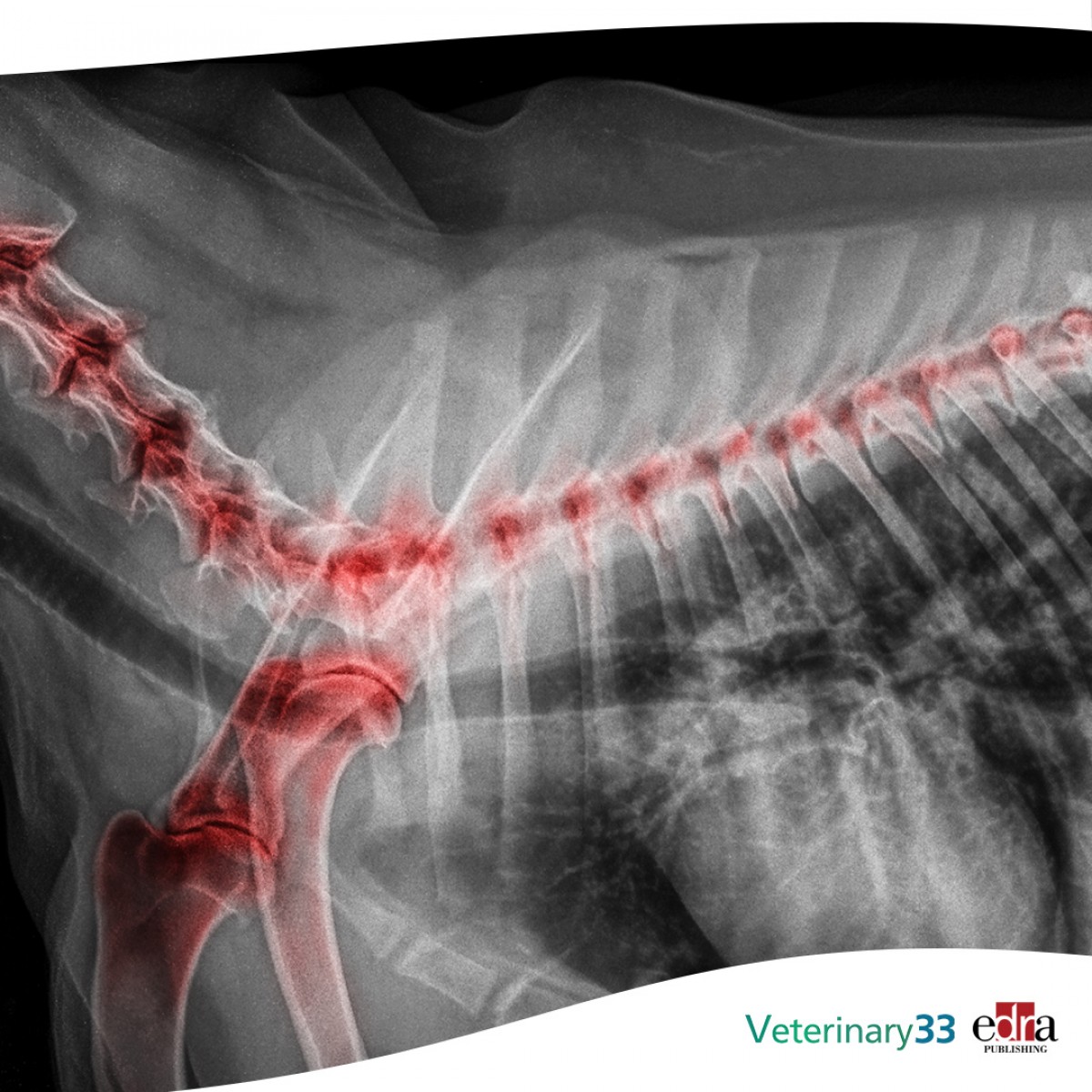
Retrospective Evaluation of Outcome in Dogs With Appendicular Osteosarcoma Following Hypofractionated Palliative Radiation Therapy With or Without Bisphosphonates: 165 Cases (2010-2019)


Objective: To report the survival times in dogs that received a standardized palliative-intent radiation therapy (RT) protocol for the treatment of canine appendicular osteosarcoma (OSA), alone or in combination with bisphosphonates (BPs), and to determine whether the addition of BPs affects survival. A secondary objective was to identify prognostic features that may influence outcome in dogs undergoing treatment.

Design: Retrospective case series.

Materials and methods: Dogs with presumed or confirmed OSA of the appendicular limb treated with daily hypofractionated RT (8 Gy x 2) at the Flint Animal Cancer Center between 2010 and 2019 were evaluated retrospectively. Clinical data were abstracted from the medical records, and adjuvant therapies were noted. Outcome was assessed using medical records and electronic follow up.

Results: One hundred and sixty-five dogs were included. Sixty-eight dogs received BPs as a part of their palliative-intent treatment. The median survival time from first RT treatment to death was not significantly different between groups (119 vs. 109 days for BP and non-BP groups, respectively, p = 0.758). Only age (>9 years) was found to be prognostic in this population (p = 0.031). Factors that were not found to be associated with survival time included BP drug type, timing of BP administration, tumor location, weight, breed, sex, time to treatment, concurrent administration of chemotherapy, and salvage amputation.

Conclusions: This study suggests no difference in outcome for dogs treated with and without BPs in addition to hypofractionated RT. Prospective studies are needed to determine if the addition of BPs to hypofractionated RT leads to an improved quality of life in dogs undergoing palliative-intent treatment for OSA.

This study suggests no difference in outcome for dogs treated with and without BPs in addition to hypofractionated RT. Beck Ringdahl-Mayland, Douglas H Thamm, Tiffany W Martin https://www.frontiersin.org/articles/10.3389/fvets.2022.892297/full


Like0
Dislike0
  • Please enter a comment


Name *
Email address *
Comment *


* Required fields

Information on the processing of your personal data
We inform you that, in compliance with the provisions of current national and European regulations for the Protection of Personal Data and Services of the Information Society and Electronic Commerce, by sending us this form you are expressly giving your consent to Grupo Asís Biomedia , SL, (hereinafter, "ASIS GROUP") so that, as the person in charge, it may process your personal data in order to respond to your request for contact and information by electronic means.

Likewise, when you expressly consent, we will process your personal data to send you specialized information, newsletters, offers and exclusive promotions from GRUPO ASIS and related companies.

For the aforementioned purpose, GRUPO ASIS may transfer your data to other companies linked to GRUPO ASIS or to third party service providers for the management of electronic communications and other security services, even in cases where they are outside of the European Union, provided that they legally guarantee the adequate level of protection required by European regulations.

At any time you can withdraw the consent given and exercise the rights of access, rectification, deletion, portability of your data and limitation or opposition to its treatment by contacting GRUPO ASIS by sending an email to protecciondatos @ grupoasis.com, or by written communication to address at Centro Empresarial El Trovador, 8th floor, office I, Plaza Antonio Beltrán Martínez 1, 50002, Zaragoza (Spain), indicating in either case the Ref. Personal data and the right you exercise, as well as attaching a copy of your ID or replacement identification document.


I have read and accept the treatment of my data according to the informed purpose and according Legal notes and the Privacy Policy
I wish to receive commercial information from GRUPO ASIS and related companies


More news

Successful management of feline pemphigus foliaceus with pentoxifylline and topical hydrocortisone aceponate

Like0
Dislike0

Genomic Medicine in Canine Periodontal Disease: A Systematic Review

Like0
Dislike0

Subclinical bacteriuria and pyuria in companion animals without signs of lower urinary tract disease: prevalence and associations in a prospective cross-sectional study using multimodal analytics.

Like0
Dislike0

Clinical benefit of faecal microbiota transplantation administered via a single retention enema as an adjunctive treatment in dogs with chronic enteropathy: a randomised controlled trial.

Like0
Dislike0

Locked plate versus modified clamp-rod internal fixation for feline corpus ilium fractures: A comparative clinical study.

Like0
Dislike0

Newsletter


News of interest

EVENTS

Copyright © 2026 - All Rights Reserved
ISSN 2768-198X

Top