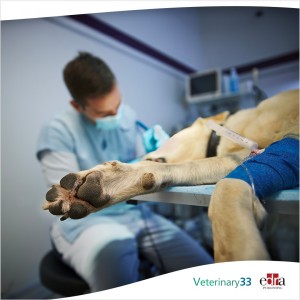
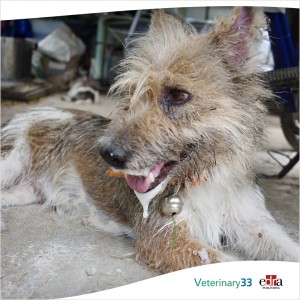
The objective of this study was to review long-term outcomes of dogs with acute oropharyngeal stick injuries managed with rigid endoscopy at a UK referral centre.
Veterinary care of the domestic ferret often utilizes chemical restraint for venipuncture, radiographs, and ultrasonography. Common forms of chemical restraint for ferrets include inhalant...
Double aortic arch (DAA) is a rare, congenital anomaly in small animals, resulting in a complete vascular ring encircling the esophagus and trachea, and subsequent compression of these organs.
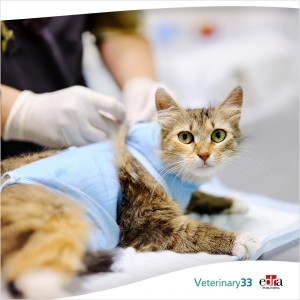
The aims of the present study were to report the outcomes of treating allergic reactions in cats with diphenhydramine vs diphenhydramine plus glucocorticoid and to determine whether signs recurred or...
The aim of this retrospective study was to investigate the statistical association of severe intraoperative hypoxemia in thoracic surgery with mortality, postoperative hospitalization times and cost...
Dog population management (DPM) is essential to achieve dog-mediated rabies elimination. This multi-faceted approach aims to enhance the health and welfare of dogs and mitigate the public health and...
The objectives of this study were to describe clinical findings, diagnosis, treatment, and survival in 18 cats with anemia of suspected immune-mediated origin (ASIMO) and conflicting results using...