

Prevention of injuries and joint diseases in the horse
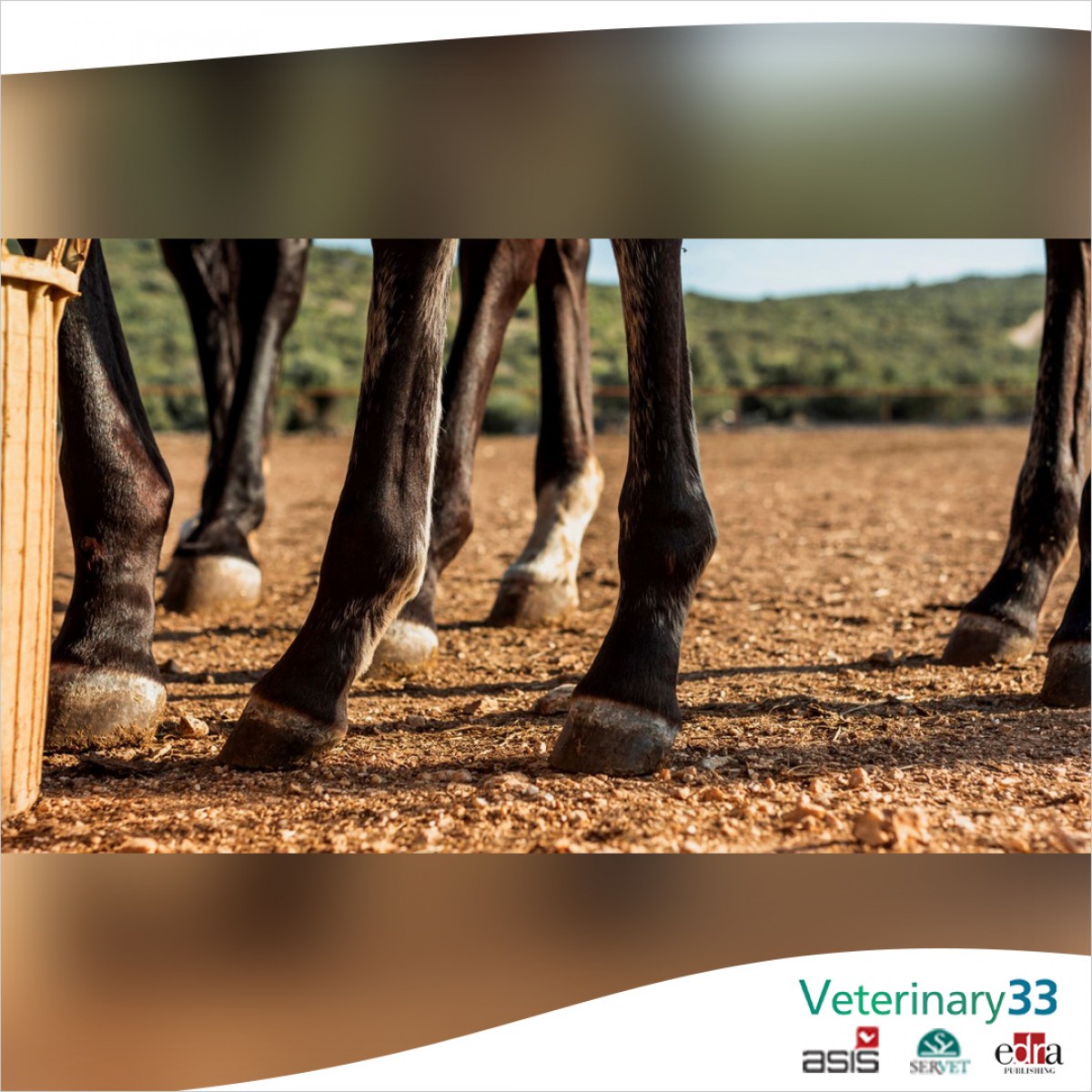
Horses are used in various equestrian disciplines that predispose them to musculoskeletal injuries or diseases, such as osteoarthritis and tendinopathy. For this reason, various preventive measures are used in medicine and horse breeding, ranging from therapeutic shoeing to the use of nutraceuticals.
Despite their popularity and routine use, the evidence base and clinical results are variable, casting doubt on the efficacy of these prophylactic measures. A small number of studies examining the effect of specific strategies have been conducted in recent years to quantify the preventive and protective claims such modalities have on joint and forelimb health. Few have convincingly demonstrated its ability to protect the limb by reducing inflammation or promoting its regeneration.
- Hoof trimming
Hoof trimming in horses aims to maintain a healthy, functional hoof and prevent lameness by supporting the joint structures and subsequent soft tissues within the limb. There are multiple hoof trimming strategies developed based on the dynamic-functional, natural-individual or static-geometric reference.
- Prophylactic hardware
Prophylactic hardware is often used in the management or prevention of orthopedic conditions, associated with the practical application of anatomical biomechanics. It is suggested that these practices may prevent contusion, modify locomotor interactions of the hoof with the ground, distribute forces more evenly across the distal extremity, and stabilize DIP joint motion. Historically, this preventive modality has been used in practice and has been recommended by farriers and clinicians through empirical evidence and tradition. However, very few controlled scientific studies have been conducted to rigorously determine the therapeutic efficacy of this strategy.
- Compression bandage
Compression bandages are used regularly in the veterinary profession, either for the treatment of surgical or traumatic wounds, and for the protection of the distal extremity. In addition, they can reduce the accumulation of fluid associated with inflammation in the edema of the distal extremity, minimizing the effect of swelling on the range of motion and functionality of the joint. The effectiveness of this technique is highly dependent on the applied interface pressure, physical activity, and the elastic properties of the bandage material.
Future work should quantify the most optimal pressure ranges to manage distal extremity edema, as well as the most appropriate duration of treatment while determining clinical efficacy.
- Nutraceuticals
The nutraceutical industry is a growing area in all companion animals, including the horse. Owners often supplement their horses' diet with various products to optimize their health. A nutraceutical is a substance that has a physiological benefit in the body and can provide prevention against chronic diseases, such as the treatment of equine osteoarthritis. They often provide vitamins, minerals, and electrolytes. However, perceptions surrounding their use and the scientific evidence for their benefits are mixed, with many companies claiming that they improve performance or alleviate health problems despite no significant evidence-based studies to support these claims. In addition, these modalities are not subject to strong regulations and many are not evaluated for their safety or efficacy.
Conclusion
There are multiple preventive methods used in equine veterinary medicine that aim to maintain the functionality of the forelimb. The lack of solid scientific studies is evident, with limited literature published in the last 10 years and often conflicting results. Among the works that have been published, different topics arise, such as the effect of individual variability and the number of confounding variables that can affect the efficacy of these modalities, such as race, age, constitution, sex, and gender. owner.
The importance of a robust experimental design, including a longitudinal approach, to quantify disease or injury prevention is emphasized. This review highlights the importance of evidence-based medicine and its place in driving standards of veterinary practice. It has become evident that in many cases joint injuries and diseases cannot be effectively prevented, justifying the need to investigate the pathophysiology of the disease and possible therapies. This could lead to better clinical outcomes than currently exist, promoting recovery and allowing a full return to work, with the health and well-being of the animals first and foremost.
 Comments
Related Articles







Copyright © 2026 - All Rights Reserved
ISSN 2768-198X
List
Add
Please enter a comment