MY ACCOUNT | NEWSLETTER |

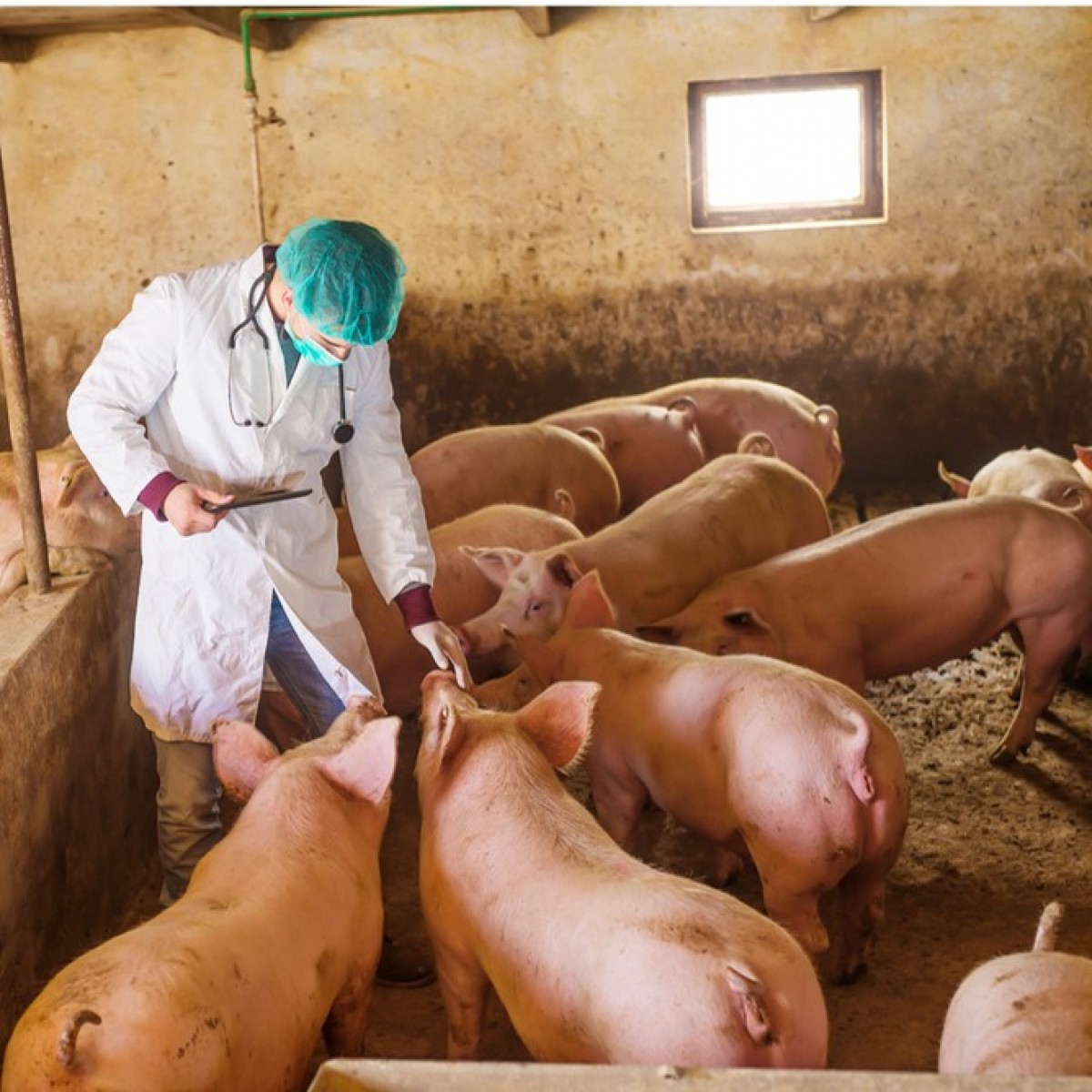
The use of growth promoters in swine nutrition: Problems and perspectives concerning public health and swine production
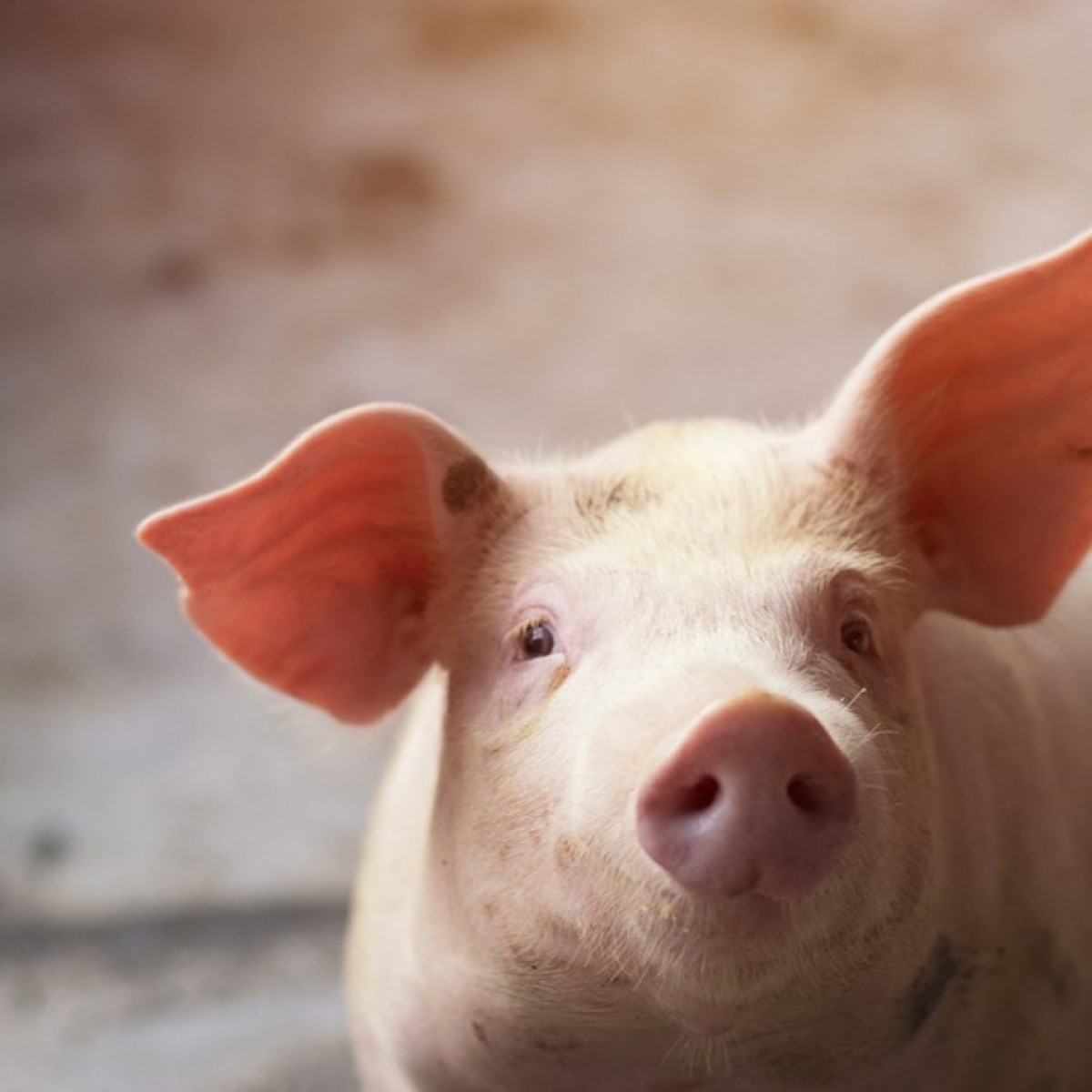

The use of antimicrobial agents as growth promoters is widely established in modern commercial units, in order to improve and increase the animal production. Based on the controversy of the use of avoparcin which arose the last two years, as well as with spiramycin, tylosin, zinc-bacitracin and virginiamycin the past year, the use of antimicrobial agents is under severe criticism.

Several scientific organizations are supportive to the ban of the use of antimicrobial agents as feed additives. The objections refer to the toxicity of some growth promoters, their lower effects under optimized housing conditions, as well as to the mode of application without veterinary prescription.

Moreover, they refer to their possible incompatibility with other therapeutics, the hazard of residues in animal origin food, the intoxications in nontarget species such as ionophores in horses and especially the hazard of development of resistance in bacteria. The purpose of this paper is to present the advantages and disadvantages of the in-feed use of antimicrobial agents as growth promoters, especially in swine, which along with poultry represent the main categories of productive animals where an extended use of such pharmaceuticals is applied.

Finally, some proposals are being mentioned emphasizing on the need for veterinary control of all antimicrobial agents, including the growth promoters, which are used in animals (predisposing that their application is under veterinary prescription).


Authors: E. D. TZIKA, et al.
Source: https://ejournals.epublishing.ekt.gr/

Like0
Dislike0
  • Please enter a comment


Name *
Email address *
Comment *


* Required fields

Information on the processing of your personal data
We inform you that, in compliance with the provisions of current national and European regulations for the Protection of Personal Data and Services of the Information Society and Electronic Commerce, by sending us this form you are expressly giving your consent to Grupo Asís Biomedia , SL, (hereinafter, "ASIS GROUP") so that, as the person in charge, it may process your personal data in order to respond to your request for contact and information by electronic means.

Likewise, when you expressly consent, we will process your personal data to send you specialized information, newsletters, offers and exclusive promotions from GRUPO ASIS and related companies.

For the aforementioned purpose, GRUPO ASIS may transfer your data to other companies linked to GRUPO ASIS or to third party service providers for the management of electronic communications and other security services, even in cases where they are outside of the European Union, provided that they legally guarantee the adequate level of protection required by European regulations.

At any time you can withdraw the consent given and exercise the rights of access, rectification, deletion, portability of your data and limitation or opposition to its treatment by contacting GRUPO ASIS by sending an email to protecciondatos @ grupoasis.com, or by written communication to address at Centro Empresarial El Trovador, 8th floor, office I, Plaza Antonio Beltrán Martínez 1, 50002, Zaragoza (Spain), indicating in either case the Ref. Personal data and the right you exercise, as well as attaching a copy of your ID or replacement identification document.


I have read and accept the treatment of my data according to the informed purpose and according Legal notes and the Privacy Policy
I wish to receive commercial information from GRUPO ASIS and related companies


More news

WSU seeks to curb deadly pneumonia threatening bighorn sheep recovery

Like0
Dislike1

Pet Insurance Market Could Exceed USD 113.7 Billion by 2035, as Rising Veterinary Costs and Expanding Insurance Penetration

Like0
Dislike1

Clinical outcomes and association with disease progression and survival of subclinical bacteriuria in cats with chronic kidney disease: a multicenter retrospective study.

Like0
Dislike1

Treatment of Canine Pemphigus Foliaceus, Pemphigus Vulgaris and Mucous Membrane Pemphigoid With Oclacitinib: A Retrospective Analysis of 21 Cases.

Like0
Dislike1

A Systematic Review and Meta-Analysis on the Global Seroprevalence of Porcine Reproductive and Respiratory Virus (PRRSV) in Pigs and Wild Boars: A Widespread and Impactful Swine Virus.

Like0
Dislike1

Newsletter


News of interest

EVENTS

Copyright © 2026 - All Rights Reserved
ISSN 2768-198X

Top