

Warmer winters mean ticks crawling and biting all year
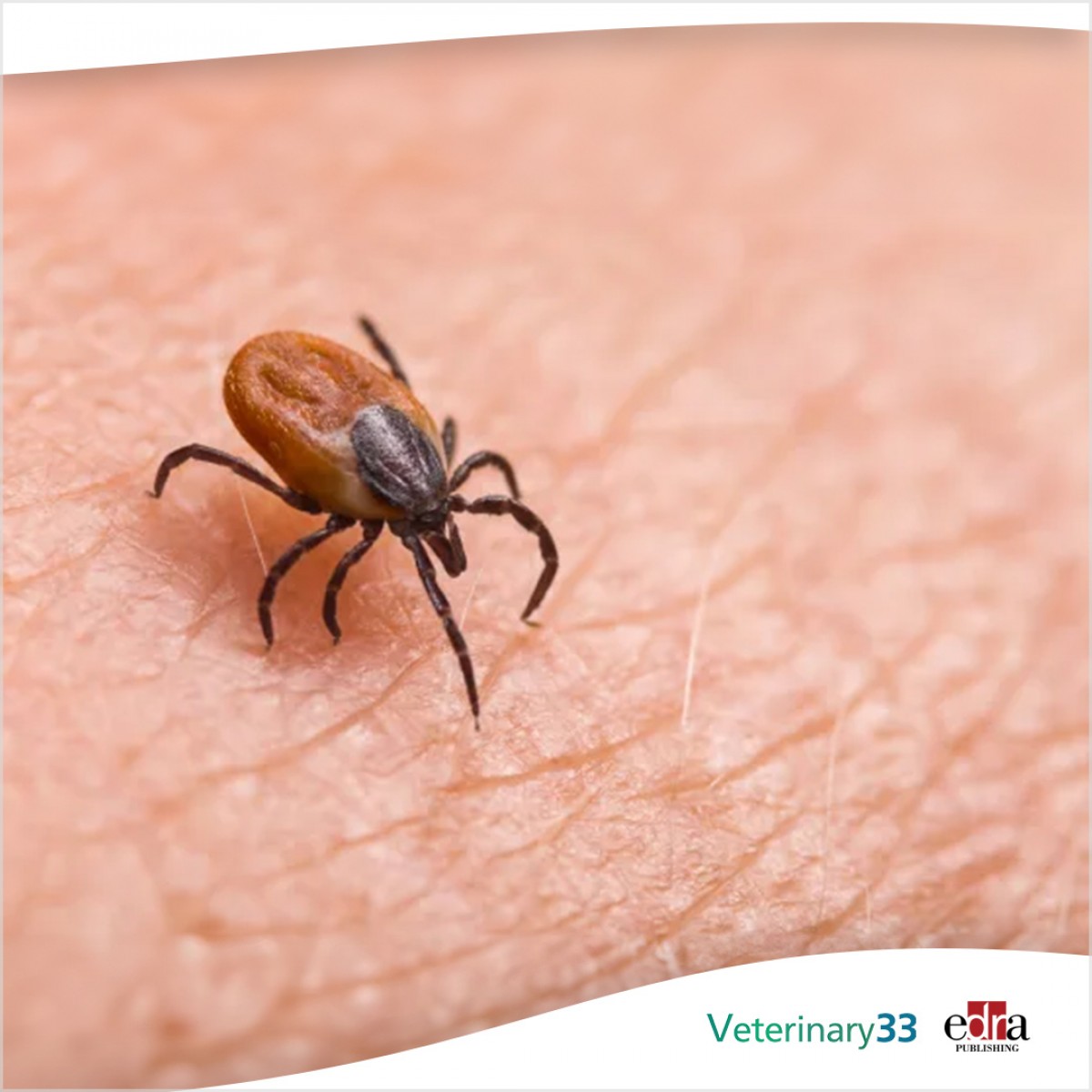
While most bugs die in the winter, ticks are relatively impervious to the freezing temperatures — and as the climate warms, they are becoming increasingly active in winter months, experts warn.
The pestiferous little bloodsuckers just hunker down on cold days and wait for the temps to temporarily rise and then they’re out and about waiting for an opportunity to hop on you and your precious pets.
Winters used to be more consistently cold, said Rafal Tokarz, an epidemiologist at the Center for Infection and Immunity at the Columbia University Mailman School of Public Health.
“Now we have stretches of abnormally warm weather and they come out more frequently,” he said.
At the same time, with nicer winter days, people go out more for walks with their dogs or families.
"The ticks will be there," Tokarz said. "This contributes to the number of cases of Lyme in the wintertime.”
In fact, emergency room visits for tick bites, which had been declining since the summer peak, are rising in some parts of the United States, especially in the Northeast, according to recent data from the Centers for Disease Control and Prevention.
While tick bites are expected to decline as freezing temperatures hit, climate change is making matters worse.
The government released the new National Climate Assessment report Tuesday, with the prediction that most areas of the U.S. will get warmer.
“So the risk of an adult tick finding us in the winter will get higher,” said Richard Ostfeld, a tick expert at the Cary Institute of Ecosystem Studies in Millbrook, New York.
Read the full article here: https://www.nbcnews.com/health/health-news/warm-winter-weather-tick-bites-lyme-disease-risk-rcna125202
Author: Linda Carroll
Source: www.nbcnews.com
 Comments
More news






Copyright © 2026 - All Rights Reserved
ISSN 2768-198X
List
Add
Please enter a comment