

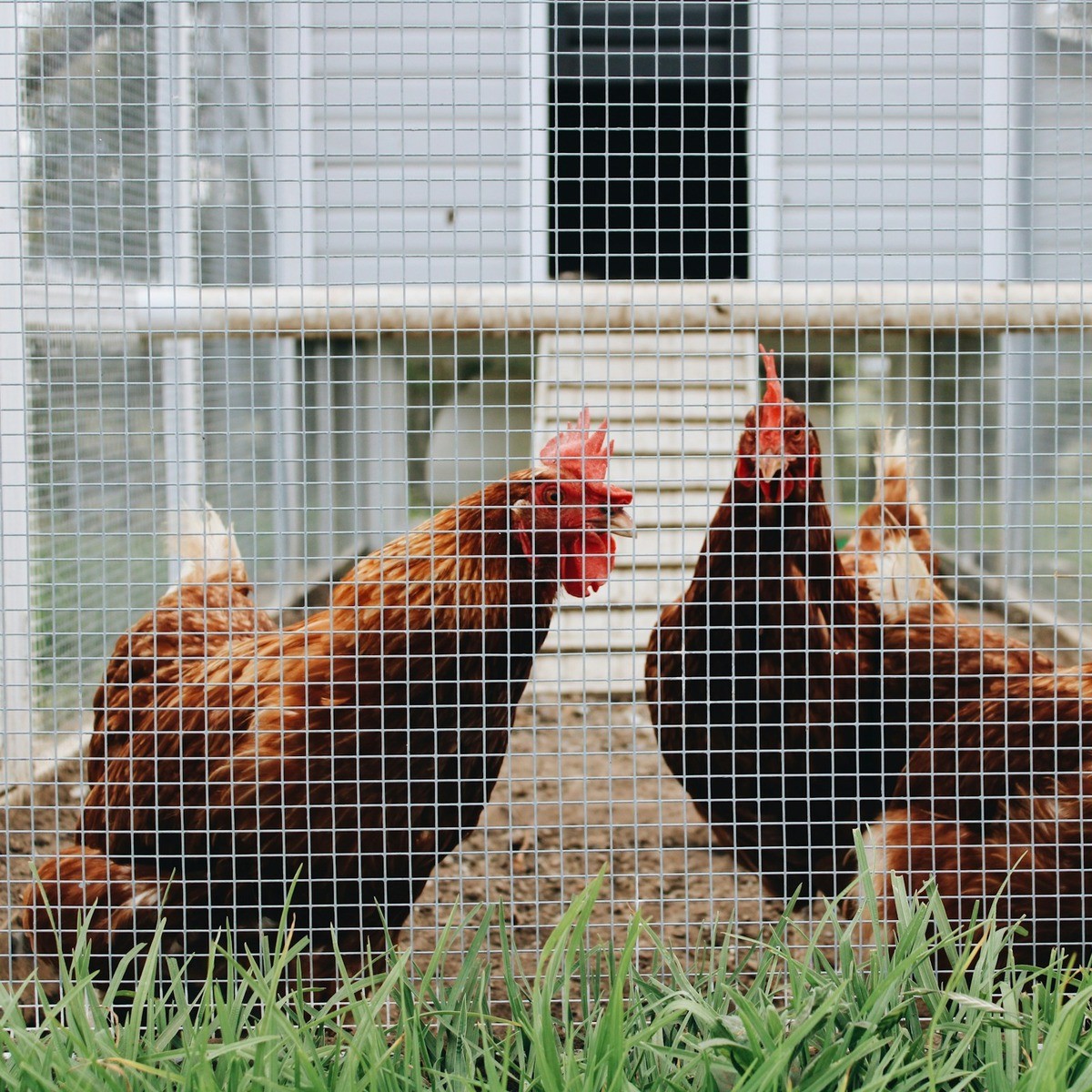
Exploration of the efficacy of eucalyptus oil (micro-capsules) and mangosteen extract against Eimeria tenella infection in chickens.
Clinical evidence update from Poultry science
Clinical Context
Peer-reviewed veterinary literature continues to shape everyday decision-making for production animal practice, especially when new evidence clarifies diagnosis, treatment selection, monitoring, or clinical outcomes.
What the Study Evaluated
A study published in Poultry science in 2026 evaluated exploration of the efficacy of eucalyptus oil (micro-capsules) and mangosteen extract against Eimeria tenella infection in chickens..
Key Findings
Due to the increasing prevalence of drug-resistant Eimeria strains, there is an urgent need to develop novel, eco-friendly, and safe alternatives for controlling chicken coccidiosis. This study aimed to investigate the combined anticoccidial efficacy of eucalyptus oil (EO) and mangosteen extract (ME) and develop an advanced delivery system via microencapsulation to enhance their therapeutic potential. In a broiler chick model of Eimeria tenella (E. tenella) infection, the combination of EO (100 mg/kg body weight, oral gavage) and ME (250 mg/kg feed) exerted the optimal effect against E. tenella with an anticoccidial index (ACI) of 169,...
Why It Matters for Veterinary Professionals
For veterinary professionals, the practical value of this work lies in how the findings may support more structured clinical assessment, clearer monitoring, and more informed decisions for production animal practice.
Practical Interpretation
The results should be interpreted in the context of the study design, population, inclusion criteria, and clinical setting. Application in practice should consider patient-specific risk factors, available diagnostics, local standards of care, and clinician judgment.
Clinical Takeaway
Overall, the study adds useful evidence for clinicians seeking to align daily practice with current veterinary research while maintaining a balanced, case-by-case approach.
Read the full article here.
 Comments
Related Articles









Copyright © 2026 - All Rights Reserved
ISSN 2768-198X
List
Add
Please enter a comment