

Solensia®—Providing Relief for Osteoarthritic Cats
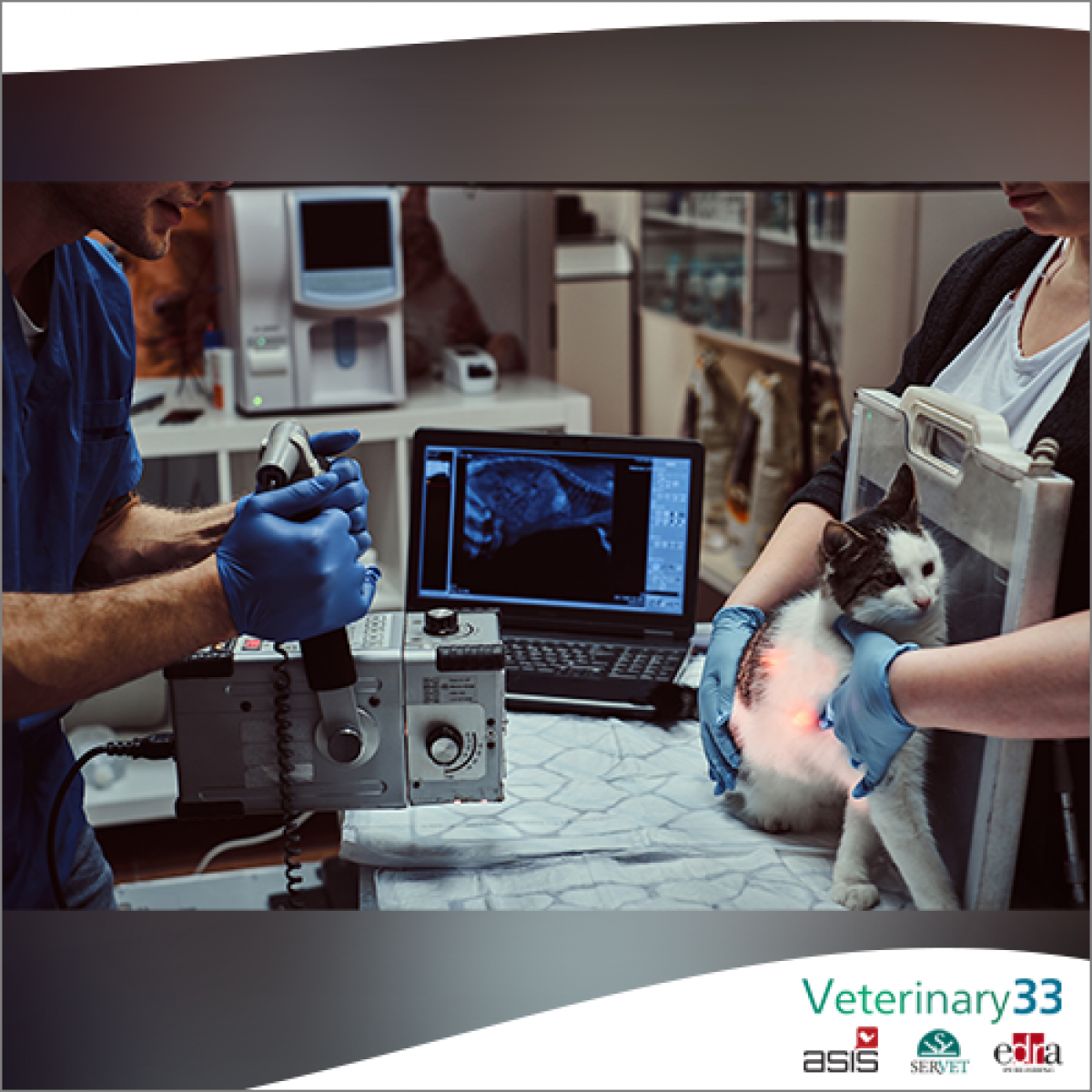
Cats are commonly affected by osteoarthritis (OA), and studies have shown that 40 percent of cats have clinical signs, with more than 90 percent of cats older than 12 years of age showing radiographic evidence of OA. However, this condition frequently goes undiagnosed and untreated, because owners don’t recognize the signs.
Unfortunately, treatment options are limited for cats whose osteoarthritis is recognized and diagnosed. Non-drug treatment options include weight loss for overweight cats, rehabilitation exercises, and environmental accommodations (e.g., using low-sided litter boxes, elevating food and water bowls, and providing soft bedding). Medicinal options for cats include steroids, which have concerning side effects, and a few non-steroidal anti-inflammatories (NSAIDs) approved for short-term use. No veterinary NSAIDs are currently approved for safe, long-term control of osteoarthritic pain in cats. In February 2021, Zoetis announced that the European Commission had granted marketing authorization for Solensia, a new feline osteoarthritis treatment to alleviate pain.
What is Solensia?
Solensia works differently than current feline osteoarthritis treatment options. The active ingredient in Solensia is frunevetmab, a monoclonal antibody designed specifically for cats that neutralizes nerve growth factor (NGF), a key player in feline osteoarthritis. Frunevetmab binds to NGF, and prevents the bound NGF from attaching to receptors on nerve cells to regulate pain signaling. If the signals to trigger pain are not sent, the cat’s pain is relieved. Since frunevetmab functions like a naturally occurring antibody, the cat’s liver and kidneys have minimal involvement in the drug’s metabolism and elimination, and the cat’s gastrointestinal tract is also minimally affected. Solensia is delivered by a veterinarian subcutaneously once a month.
Is Solensia effective?
Solensia’s effectiveness was tested in a randomized, double-masked, placebo-controlled field study using three treatment groups. All cats received two injections 28 days apart. Group one received frunevetmab intravenously (IV), and then subcutaneously (SC). Group two received frunevetmab SC twice, and group three received a placebo IV, and then SC. To be included in the study, cats had to be older than 6 months, weigh more than 2.5 kg, live exclusively indoors, and be in general good health, or have a stable chronic condition. Eligible cats also had to have clinical osteoarthritis signs noted by the owner, pain in at least two joints confirmed by a veterinarian’s examination, and radiographic evidence of OA in at least two joints where pain was detected. The primary outcome measure for efficacy was the owner-completed client specific outcome measures (CSOM). Secondary outcome measures were the feline musculoskeletal pain index (FMPI), accelerometry data, the owner global assessment, and the veterinarian assessment.
- CSOM — Owners were asked to rate their cat’s ability to perform three individually tailored activities on a scale from one to five, where five indicated the activity was impossible for the cat. A reduction from the Day 0 score of greater than or equal to two was defined as treatment success.
- FMPI — Owners were asked to rate their cat’s ability to perform 14 activities, and their pain level, quality of life, and happiness level. A reduction from the Day 0 score of greater than or equal to 10 was defined as treatment success.
- Accelerometry — Enrolled cats were fitted with an activity monitor on a collar or harness. This data was compared between groups.
- Owner global assessment — On Day 28 and Day 56, owners were asked to make a global assessment about the treatment’s success in controlling their cat’s clinical OA signs. Score options included excellent (i.e., clinical signs were eliminated or reduced to an inconsequential level), good (i.e., clinical signs were at least 50 percent reduced), fair (i.e., clinical signs were less than 50 percent reduced), and poor (i.e., clinical signs were unaffected by treatment). Treatment success was defined as a good or excellent rating.
- Veterinary assessments — Orthopedic examinations were performed on Day 28 and Day 56. Scores were given for total pain, and joint disability, crepitus, effusion, and thickening. These scores were evaluated for change from Day 28 to Day 56 and compared among groups.
In this study, frunevetmab demonstrated statistically significant efficacy to placebo in the control of pain associated with OA in cats. Based on CSOM assessment, 80.3 percent of cats treated with frunevetmab were considered treatment successes, and only 44.7 percent of cats in the placebo group were considered treatment successes.
Is Solensia safe?
The majority of adverse events seen in cats in the study were not serious. The abnormal health events were generally reported in similar frequencies in the placebo-treated and frunevetmab-treated groups. Vomiting, renal disease, and dermatitis were the most frequently reported abnormal health events across all groups.
Solensia should not be used in cats less than 1 year of age, or under 2.5 kg body weight. The drug should also not be used if the cat is allergic to the medication, in cats intended for breeding, pregnant cats, or lactating cats. Solensia’s safety and efficacy has not been evaluated in cats affected by kidney disease according to International Renal Interest Society (IRIS) stages three and four. Veterinarians administering the product should take special precautions, because accidental self-injection can cause a hypersensitivity reaction, including anaphylaxis. Repeated accidental self-injection may increase the risk of a hypersensitivity reaction.
Solensia is a promising new drug shown to be safe and effective in treating OA in cats. Veterinarians in the European Union, United Kingdom, and Switzerland will have a better alternative to manage and treat affected cats.
 Comments
Tag




Copyright © 2026 - All Rights Reserved
ISSN 2768-198X
List
Add
Please enter a comment