

Treating and preventing urinary stones in goats
PetTalk, from the School of Veterinary Medicine & Biomedical Sciences, Texas A&M University

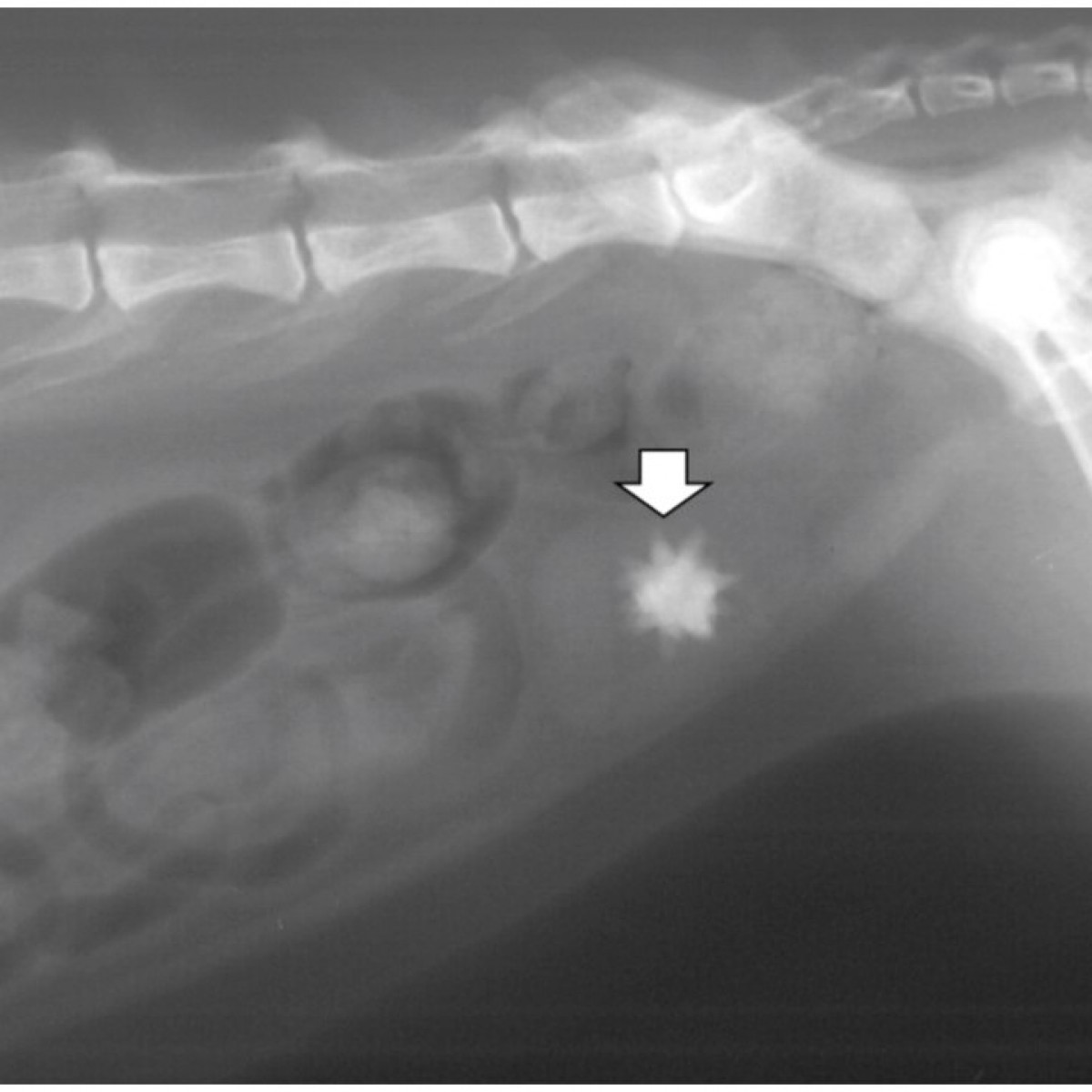
Urinary stones, or solid masses made from minerals in the urine, develop for a variety of reasons and can be an extremely painful experience for humans and pets alike. Maintaining a healthy lifestyle can prevent stones from developing, which is especially beneficial for male goats, who commonly experience this condition.
Dr. Shannon Reed, a clinical associate professor in food animal medicine at the Texas A&M School of Veterinary Medicine & Biomedical Sciences, said urolithiasis — or the formation of stones in the urinary tract — should always be treated by veterinarians since home remedies often delay and complicate the recovery process.
“Suspicion of urolithiasis, or a ‘blocked goat,’ should always warrant seeing a veterinarian, as animals that cannot urinate experience life-threatening complications rapidly,” Reed said. “Delaying evaluation and treatment will both threaten the animal’s health and increase the cost associated with treatment.”
A goat impacted by urolithiasis will show signs like attempting to urinate repeatedly without actually urinating; bleating with a flagging tail, which is a tail that is held stiff and high while moving back and forth; appetite loss; and an outwardly swollen belly.
Once owners take their goats to a practitioner, Reed explained that a veterinarian will do a complete physical examination and often sedate the animal to examine for stones; additional information, such as age and where in the urinary tract the stone is stuck, can determine the next steps.
“Young animals under 8 months are more likely to have stones that are easier to resolve and will dissolve with treatment, while animals with hard stones, called calcium carbonate stones, will need surgery to resolve the issue,” Reed said. “Animals might also need intensive care if their kidneys are affected by the urine blockage or need an alternate way to pass urine, such as a tube inserted into their bladder.”
Stones can be exacerbated by inappropriate diet, poor water consumption, and poor water quality, according to Reed.
But because urolithiasis is complicated by obesity, Reed advises owners to first provide goats with a low-grain diet that includes a mineral block or loose mineral supplements as a way to prevent stones from forming.
“Animals that are fed too much grain are more likely to get urinary blockages, so most goats do not need grain if they are fed high-quality grass hay with a mineral source and are not growing, pregnant, or lactating,” Reed said. “Since most adult goats also need a mineral supplement beyond hay to balance their diet but do not need extra calories, it is better to offer a mineral block.”
Since diets can vary from goat to goat, Reed suggests owners check with their veterinarian that their goats are meeting their dietary requirements.
Reed also encourages owners to continually maintain fresh, clean water for goats to increase a goat’s water consumption.
“Increasing water consumption increases urine production, so goats will pee more often, leading to less sediment gathering in the bladder to form stones,” Reed explained. “In warmer months, high water temperature and algae will decrease water consumption, so owners should place water in the shade and clean water buckets frequently; using heated water buckets in the wintertime can also be helpful.”
Hard water, or water that is high in minerals, can contribute to stone formation as well. Because of this, owners should filter water from a hose or from other sources such as wells so that the water’s quality is improved. Reed recommends owners buy a filter that can attach to the end of the hose as an inexpensive yet effective way to filter water.
With an appropriate diet, additional minerals, and fresh, clean water, goats can be protected against urinary stones. If they do experience urolithiasis, goats should always be taken to their veterinarian for treatment so that they can return to their daily life sooner.
Pet Talk is a service of the School of Veterinary Medicine & Biomedical Sciences, Texas A&M University. Stories can be viewed on the web at vetmed.tamu.edu/news/pet-talk. Suggestions for future topics may be directed to vmbs-editor@tamu.edu.
 Comments
Related Articles



More news




Copyright © 2026 - All Rights Reserved
ISSN 2768-198X
List
Add
Please enter a comment