

Bigger crops, fewer nutrients: The hidden cost of climate change
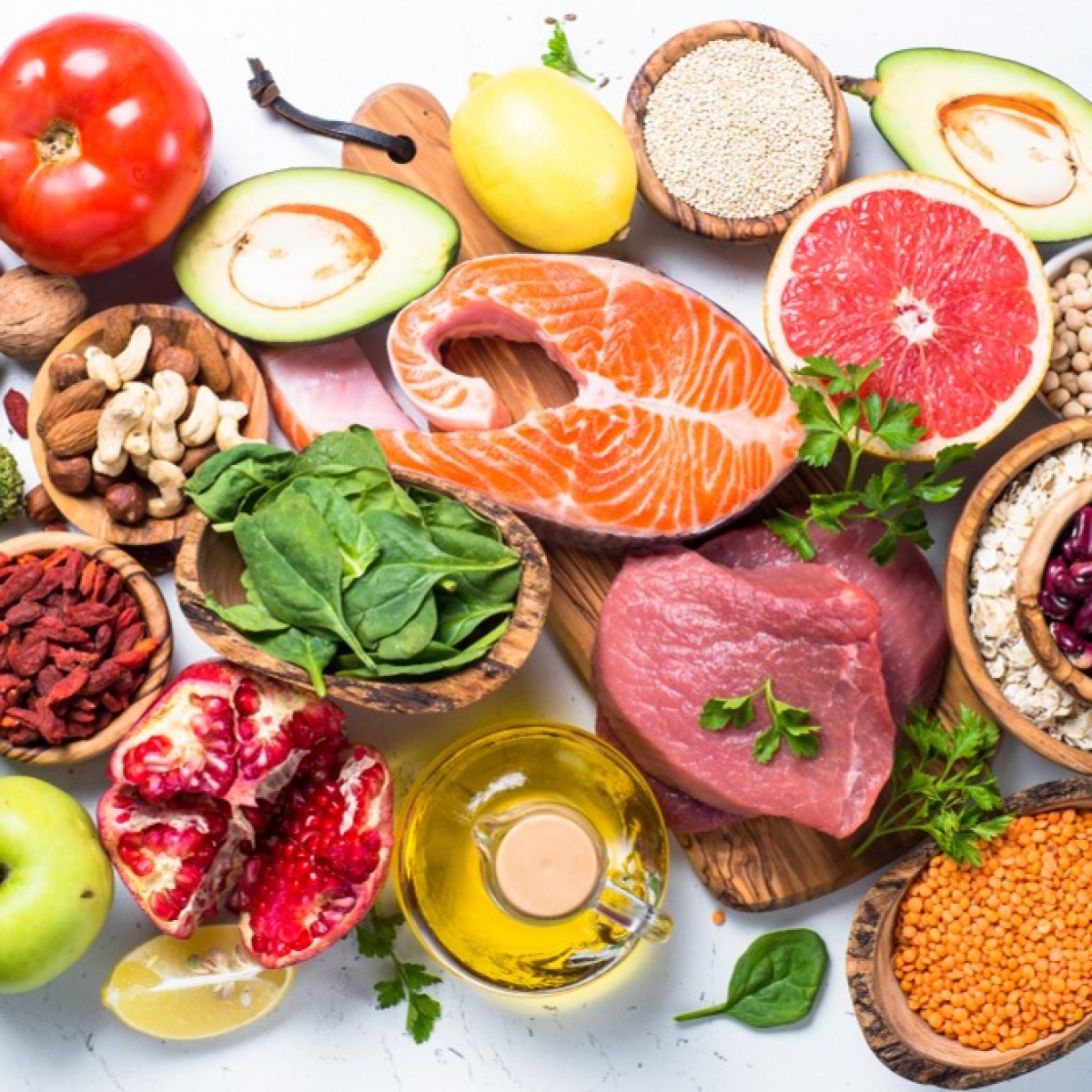
New preliminary research suggests that a combination of higher atmospheric CO2 and hotter temperatures contribute to a reduction in nutritional quality in food crops, with serious implications for human health and wellbeing.
Most research into the impact of climate change on food production has focused on crop yield, but the size of the harvest means little if the nutritional value is poor. “Our work looks beyond quantity to the quality of what we eat,” says Jiata Ugwah Ekele, a PhD student at Liverpool John Moores University, UK.
The ongoing effects of climate change are posed to have devastating and irreversible consequences for plants across the globe. Ms Ekele’s research is primarily focused on exploring how the nutritional content of food crops may be affected by the interacting effects of rising CO2 levels and increasing temperatures associated with climate change. “These environmental changes can affect everything from photosynthesis and growth rates to the synthesis and storage of nutrients in crops,” says Ms Ekele.
“It’s crucial to understand these impacts because we are what we eat, and plants form the foundation of our food network as the primary producers of the ecosystem,” says Ms Ekele. “By studying these interactions, we can better predict how climate change will shape the nutritional landscape of our food and work toward mitigating those effects.”
Ms Ekele’s research is focused on popular leafy vegetables, including kale, rocket and spinach. For this project, these crops ae grown in environment-controlled growth chambers at Liverpool John Moores University, and the CO2 and temperature levels are changed to simulate the UK’s predicted future climate scenarios. “Photosynthetic markers such as chlorophyll fluorescence and quantum yield are assessed as the crops grow, while yield and biomass are recorded at harvest,” says Ms Ekele.
After the plants have been grown under climate change conditions, their nutritional quality was analysed using high-performance liquid chromatography (HPLC) and X-Ray Fluorescence profiling to measure the concentrations of sugar, protein, phenolics, flavonoids, vitamins and antioxidants.
Preliminary results from this project suggest that elevated levels of atmospheric CO2 can help crops grow faster and bigger, but certainly not healthier. “After some time, the crops showed a reduction in key minerals like calcium and certain antioxidant compounds,” says Ms Ekele.
These changes were only exacerbated by increases in temperature. “The interaction between CO2 and heat stress had complex effects - the crops do not grow as big or fast and the decline in nutritional quality intensifies,” says Ms Ekele.
A key early finding is that different crops have responded differently to these climate change stressors, with some species reacting more intensely than others. “This diversity in response highlights that we can’t generalise across crops. This complexity has been both fascinating and challenging and reminds us why it's important to study multiple stressors together,” says Ms Ekele.
This nutritional imbalance poses serious health implications for humanity. While higher CO2 levels can increase the concentration of sugars in crops, it can dilute essential proteins, minerals and antioxidants. “This altered balance could contribute to diets that are higher in calories but poorer in nutritional value,” says Ms Ekele. “Increased sugar content in crops, especially fruits and vegetables, could lead to greater risks of obesity and type 2 diabetes - particularly in populations already struggling with non-communicable diseases.”
Crops with poor nutritional content can also lead to deficiencies in vital proteins and vitamins that compromise the human immune system and exacerbate existing health conditions – particularly in low or middle-income countries. “It’s not just about how much food we grow, but also what’s inside that food and how it supports long-term human wellbeing,” says Ms Ekele.
Although this research simulates the UK’s projected climate changes, the implications are global. “Food systems in the Global North are already being challenged by shifting weather patterns, unpredictable growing seasons, and more frequent heatwaves,” says Ms Ekele. “In tropical and subtropical regions, these areas also contend with overlapping stressors such as drought, pests, and soil degradation - and are home to millions who depend directly on agriculture for food and income.”
Ms Ekele and her team are open to collaborating further on this project with the wider research community, including those from agriculture, nutrition and climate policy. “It’s important to connect plant science with broader issues of human well-being. As the climate continues to change, we must think holistically about the kind of food system we’re building - one that not only produces enough food, but also promotes health, equity, and resilience,” says Ms Ekele. “Food is more than just calories; it’s a foundation for human development and climate adaptation.”
Source: https://www.sciencedaily.com/
 Comments
Related Articles




More news





Copyright © 2026 - All Rights Reserved
ISSN 2768-198X
List
Add
Please enter a comment