

Early castration in foals: consequences on physical and behavioural development
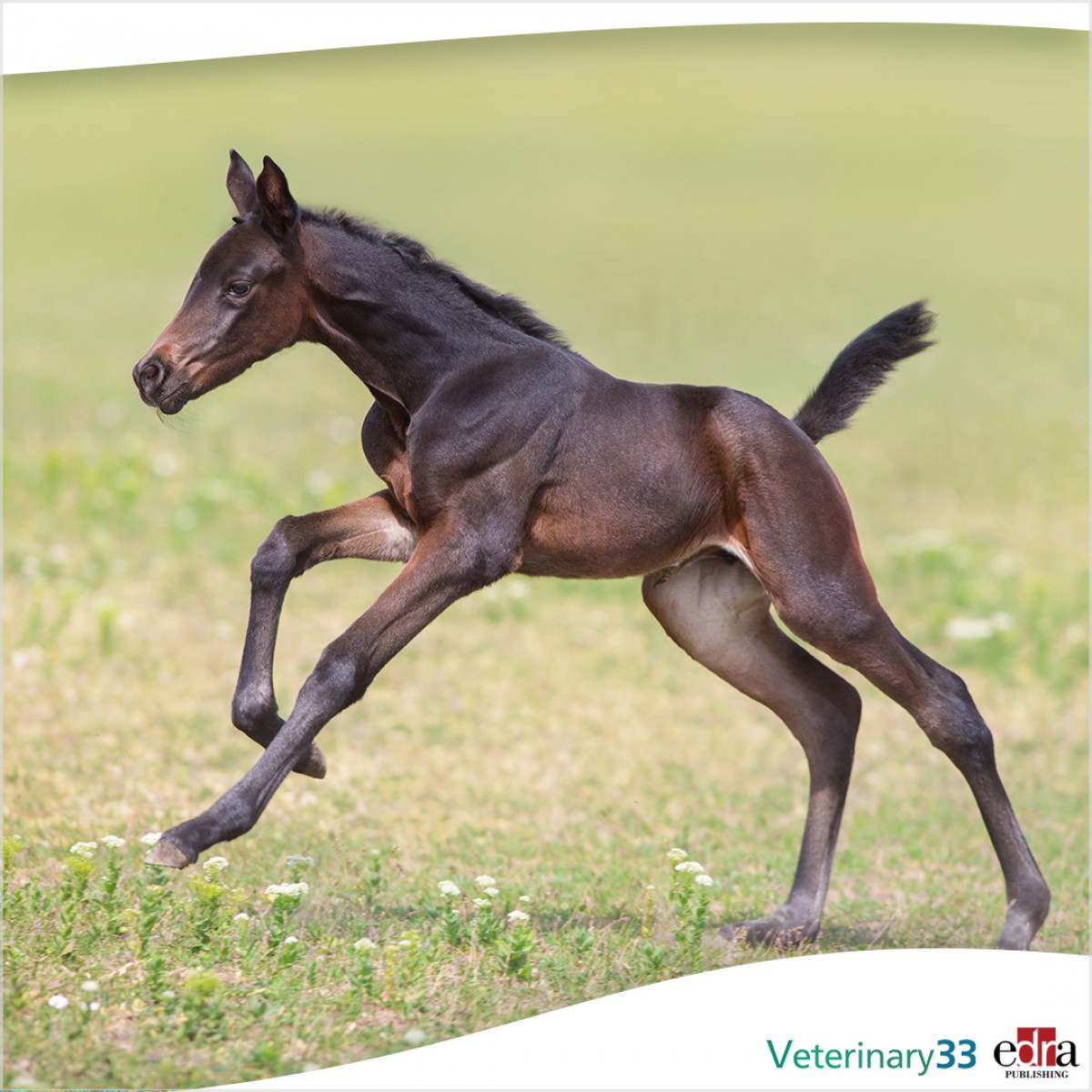
The impact of very early castration of foals has not yet been studied despite the many positive effects observed in dogs and cats.
To compare castration at 3 days and 18 months and assess their subsequent morphological and behavioral development.
Randomised, blinded clinical study.
Twenty-two Welsh ponies underwent either early (3 days old, EC group, n=11) or traditional (18 months old, TC group, n=11) castration. Animals were followed up to three years of age. All ponies were castrated using a primary closure technique under general anesthesia. Weight and morphometric measurements were monitored monthly from birth until 8 months of age in both groups. Then, measurements were taken every 3 months until 2 years of age and then every 6 months until 3 years of age. Temperament tests were performed on all animals when they were 1 and 3 years old.
No differences were observed between the EC and TC groups in terms of physical development from birth until 40 months of age, or in terms of temperament and behavior at either 1 or 3 years of age.
The study included only one breed (Welsh ponies) and only 22 animals that were castrated before 2 years of age, precluding comparison with castration performed at older ages.
We demonstrate that early castration at three days does not interfere with morphological or behavioral development.
“Early castration in foals: consequences on physical and behavioural development”. J Cognie, et al. Equine Vet J. 2022 Apr 28. doi: 10.1111/evj.13580.
 Comments
More news






Copyright © 2026 - All Rights Reserved
ISSN 2768-198X
List
Add
Please enter a comment